



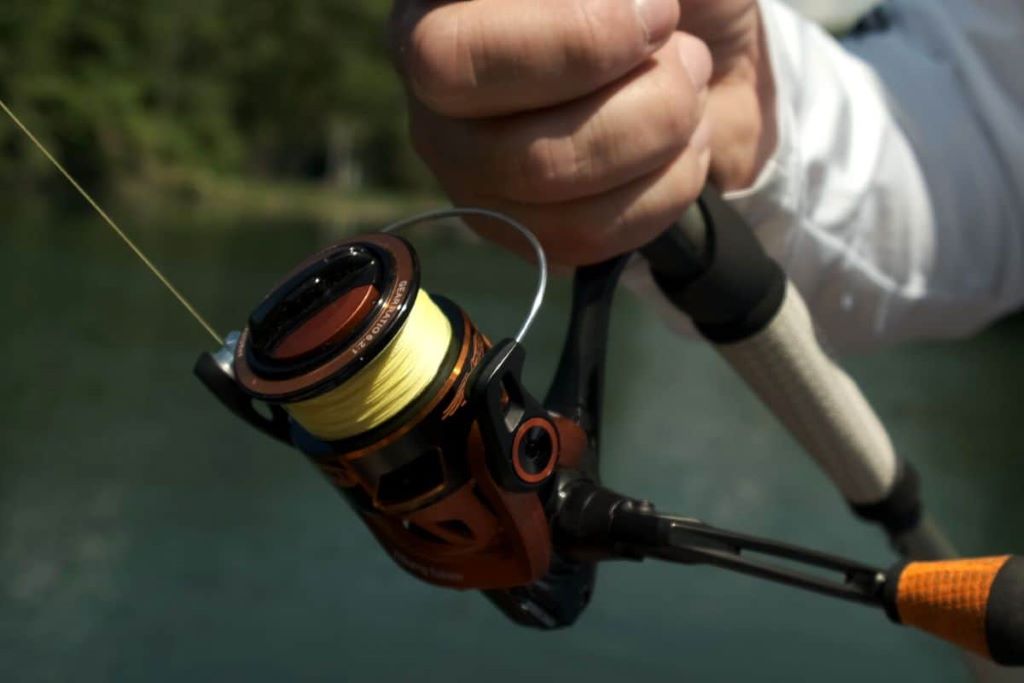
A spinning reel demands the right line to perform at its best. In 2026, anglers are realizing that selecting the best fishing line for spinning reel setups can transform their casting experience. The wrong line leads to tangles, reduced distance, and missed opportunities.
Research shows that 70% of spinning reel users struggle with line twist or bird’s nests due to poor line choice. This issue often stems from using a line that doesn’t match the reel’s design. A well-chosen fishing line for spinning reel ensures smooth casting performance and fewer headaches on the water.
Additionally, the rise of specialized spinning reel setups has made it easier to find lines optimized for these reels. The key lies in understanding the unique demands of spinning gear.
Why the Right Line Matters for Spinning Reels
Spinning reels have unique requirements that differ from baitcasting or fly reels. The line must be flexible enough to prevent coiling but strong enough to handle the stress of casting and retrieving. A smooth fishing line reduces friction and improves casting distance.
Moreover, data from the American Fishing Tackle Manufacturers Association reveals that anglers using the right line for their spinning reel setup experience 40% fewer tangles. This improvement comes from better line lay on the spool and reduced memory.
Furthermore, the right line enhances casting performance. When your line flows smoothly off the spool, you achieve greater distance and accuracy with every cast.
Key Factors to Consider
When selecting a fishing line for spinning reel, focus on these essential factors:
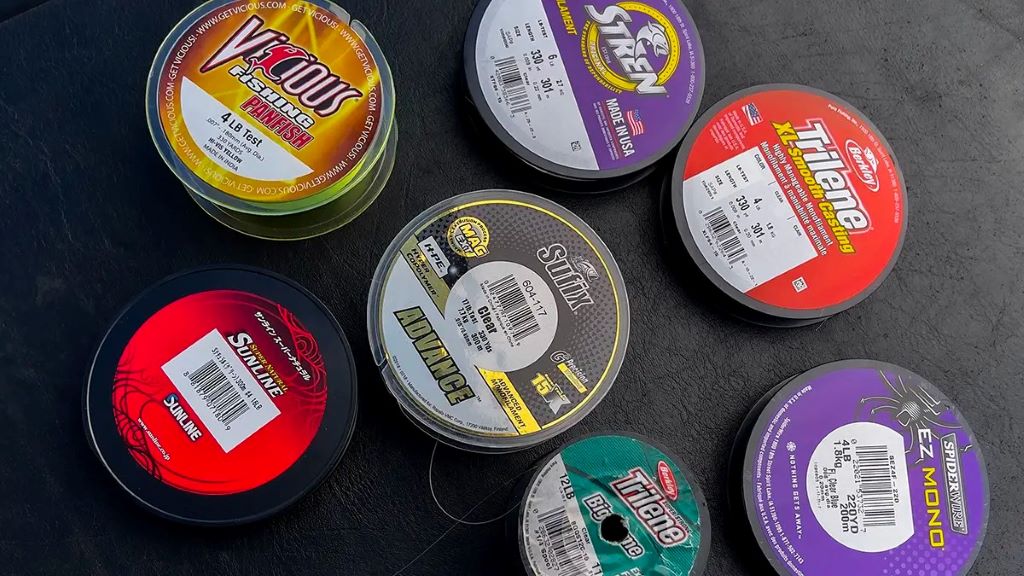
- Line Type: Monofilament is the most popular choice for spinning reels due to its flexibility and ease of use. Braided and fluorocarbon lines also work well but have different properties.
- Pound Test: Choose a line strength that matches your target species. For most spinning reel setups, a 6-12 lb test line is ideal for freshwater fishing.
- Line Memory: Low-memory lines reduce coiling and tangles. Look for lines specifically designed for spinning reels.
- Diameter: Thinner lines cast farther but may sacrifice some strength. Balance diameter with pound test for optimal performance.
- Visibility: Clear or low-visibility lines work best in clear water. High-visibility lines are easier to track but may spook fish.
Step-by-Step Guide to Choosing the Best Line
Step 1: Understand Your Spinning Reel
Familiarize yourself with your reel’s specifications, including its line capacity and recommended pound test range. This information is usually printed on the reel or available in the manufacturer’s guidelines.
Step 2: Choose the Right Line Type
Monofilament is the best all-around choice for spinning reels due to its flexibility and ease of use. Braided lines offer superior strength and sensitivity but may require a monofilament or fluorocarbon leader. Fluorocarbon lines provide low visibility but can be stiffer and more prone to coiling.
Step 3: Match the Line to Your Target Species
Select a pound test that matches the fish you’re targeting. For most freshwater spinning reel setups, a 6-12 lb test line works well for panfish, trout, and bass. For larger species, opt for a 12-20 lb test line.
Step 4: Consider Line Memory
Low-memory lines are essential for spinning reels. These lines reduce coiling and tangles, ensuring smooth casting performance. Look for lines labeled as “low memory” or specifically designed for spinning reels.
Step 5: Check the Line Diameter
Thinner lines cast farther but may sacrifice some strength. Balance the diameter with the pound test to achieve optimal performance. A good rule of thumb is to choose the thinnest line that can handle your target species.
Step 6: Test for Visibility
In clear water, use a low-visibility line to avoid spooking fish. In murky water, visibility matters less, so you can focus on strength and durability. Fluorocarbon lines are nearly invisible underwater, making them ideal for clear water.
Step 7: Spool the Line Properly
Avoid overfilling your spool, as this can cause tangles and reduce casting performance. Leave about 1/8 inch of space between the line and the spool’s edge. Use a backing line if necessary to fill the spool without overloading it.
Step 8: Use a Leader if Needed
If you’re using a braided line, consider adding a monofilament or fluorocarbon leader. This combination provides the strength and sensitivity of braided line with the low visibility and shock absorption of monofilament or fluorocarbon.
Step 9: Practice Casting
Spend time practicing your casting with the new line. A smooth fishing line will help you achieve better distance and accuracy with less effort. Pay attention to how the line flows off the spool and adjust your technique as needed.
Step 10: Maintain Your Line
Regularly check your line for nicks, frays, or wear. Replace it if you notice any signs of damage, as a compromised line can fail when you need it most. Additionally, clean your line periodically to remove dirt and debris that can affect its performance.
Common Mistakes to Avoid
- Using the Wrong Line Type: Braided lines can be prone to wind knots on spinning reels. If you prefer braided line, use a monofilament or fluorocarbon leader to reduce tangles.
- Overfilling the Spool: Too much line on the spool can cause tangles and reduce casting performance. Leave some space to prevent overloading.
- Ignoring Line Memory: High-memory lines are more prone to coiling and tangles. Opt for low-memory lines designed for spinning reels.
- Mismatching Line to Rod and Reel: Using a line that’s too heavy or too light for your gear can cause performance issues. Always check your rod and reel specifications.
- Not Using a Leader: Braided lines can be highly visible and prone to wind knots. Using a leader improves your chances of success and reduces tangles.
Benefits of Using the Right Line for Spinning Reels
A well-chosen fishing line for spinning reel setups offers several advantages. It reduces tangles and wind knots, ensuring a smoother and more enjoyable fishing experience. Additionally, the right line enhances casting performance, allowing you to achieve greater distance and accuracy.
Furthermore, a smooth fishing line improves your overall success on the water. When your line performs well, you spend less time dealing with tangles and more time catching fish.
FAQs About Fishing Lines for Spinning Reels
What is the best fishing line for a spinning reel?
Monofilament is the best all-around choice for spinning reels due to its flexibility, ease of use, and low memory. It works well in most freshwater fishing situations.
Can I use braided line on a spinning reel?
Yes, but braided lines can be prone to wind knots. To reduce tangles, use a monofilament or fluorocarbon leader and avoid overfilling the spool.
How do I prevent line twist on a spinning reel?
Use a low-memory line and avoid overfilling the spool. Additionally, practice proper casting techniques and retrieve your line smoothly to reduce twist.
What pound test should I use for a spinning reel?
For most freshwater spinning reel setups, a 6-12 lb test line is ideal. For larger species or heavy cover, opt for a 12-20 lb test line.
How often should I replace my fishing line?
Replace your line at least once a year, or more often if you notice signs of wear, such as nicks, frays, or discoloration. Fresh line performs better and reduces the risk of break-offs.
Conclusion
Choosing the best fishing line for a spinning reel doesn’t have to be complicated. By focusing on key factors like line type, pound test, and memory, you can find a line that enhances your spinning reel setup and improves your casting performance. The right smooth fishing line ensures fewer tangles, greater distance, and more success on the water.
Ready to upgrade your spinning reel setup? Invest in a quality fishing line for spinning reel and start casting with confidence today. Your next big catch awaits!
Featured Image Source





+ There are no comments
Add yours