






Texas beaches offer incredible surf, but they also hide sharp rocks, scorching sand, and the occasional stingray. You need footwear that protects your feet without draining your wallet, yet most cheap pairs fall apart after a single season. That frustrating cycle of buying, breaking, and rebuying costs you more in the long run. The good news? Durable, budget-friendly options exist if you know exactly what to look for and where to prioritize your spending. This guide cuts through the marketing noise to help you find cheap surf shoes Texas surfers can actually rely on, ensuring your feet stay safe session after session.
What Makes a Surf Shoe “Cheap” Without Being Flimsy?
A truly cheap surf shoe delivers protection and grip at a price point under $40, but it must also survive abrasive sand, saltwater, and constant bending. The distinction lies in the materials and construction methods used, not just the sticker price. You want a shoe that sacrifices premium branding, not structural integrity.
Key Materials That Extend the Lifespan of Budget Shoes
Look for a minimum of 3mm thick rubber outsoles, preferably made from carbon rubber rather than lightweight EVA foam. Carbon rubber resists tearing on barnacle-encrusted jetties. Additionally, quick-drying synthetic uppers like neoprene or mesh with reinforced stitching at stress points prevent blowouts where the shoe flexes most.
Why Stitching and Glue Quality Matter More Than the Brand
Cheap shoes often fail at the seams where the upper meets the sole. Inspect for double-stitched seams and visible, even application of marine-grade adhesive. If the shoe smells strongly of chemical glue, it likely uses low-quality bonds that dissolve in saltwater within weeks.
Flexibility vs. Durability Trade-offs
Extremely flexible shoes feel comfortable but wear out faster. Conversely, overly stiff shoes cause blisters. Find a balance by bending the shoe in your hands; it should flex easily at the toe box but resist twisting in the arch area. This combination reduces fatigue and prevents premature sole separation.
Why Do Most Cheap Surf Shoes Fall Apart in Texas Waters?
The harsh combination of hot UV rays, shifting sand, and abrasive limestone rocks accelerates wear and tear on substandard footwear. Texas surf conditions include frequent shorebreak and shell-strewn bottoms that punish weak materials. Understanding these specific environmental stressors helps you select shoes built to withstand them.
The Impact of Hot Sand and UV Radiation
Blacktop and beach sand in Texas can exceed 120°F, causing cheap glue to melt and uppers to warp. UV rays also degrade nylon and polyester fibers, making them brittle. Choose darker colors that hide staining and materials treated with UV stabilizers if you plan to walk long distances on the beach.
How Shell Debris and Limestone Test Sole Strength
Texas beaches often feature crushed shells and sharp caliche rock, which act like sandpaper on soles. A thick, aggressive tread pattern not only provides grip but also elevates your foot slightly from sharp objects. Avoid smooth-soled water shoes that offer zero traction on wet, algae-covered rocks.
Saltwater Corrosion Effects on Cheap Metals and Zippers
Many budget shoes use zippers or metal buckles that rust quickly. Opt for slip-on or lace-up designs without metal components. If you prefer zippers, rinse them with fresh water immediately after every surf. Collapsed zippers are the number one reason surf shoes end up in the trash.
Which Features Should You Prioritize to Maximize Value?
Prioritize a sturdy toe guard, a drainage system, and a secure heel lockdown over fancy logos or colorful designs. These functional features directly impact how long the shoe performs and how comfortable it remains during extended wear. A shoe that dries quickly also prevents bacterial odor and skin breakdown.
Protective Toe Caps and Heel Reinforcement
Kicking off rocks while walking backward or standing on the nose requires a reinforced toe box. Look for a rubber cap that wraps over the front. Heel reinforcement prevents slipping when carrying a surfboard, which adds stress to the back of the shoe. These additions add minimal cost but massive protection.
Water Drainage and Sand Ejection Systems
Holes or mesh panels that allow water and sand to escape prevent the shoe from becoming a heavy, abrasive sandbag. Trapped sand grinds against your skin and the shoe’s interior, causing blisters and premature wear. Drain holes also speed up drying time, preventing rot.
Before storing your gear after your session, make sure to safely remove wax from your surfboard without damaging the surface to keep it ready for your next trip.
Secure Fastening Systems for Active Use
Laces can come undone in the surf, creating a trip hazard. Velcro straps are adjustable but can lose stickiness. A bungee cord lockdown system provides a secure, quick fit that adapts to foot swelling. Ensure the tightening mechanism does not have plastic parts that snap under pressure.
How to Test Durability Before You Even Buy
You can perform a simple 60-second physical inspection in the store or when a package arrives to predict a shoe’s lifespan. By applying pressure and pulling on key components, you reveal weaknesses that will only worsen in the water. This proactive approach prevents wasted money and frustrated beach days.
The Fold Test for Sole Separation
Fold the shoe in half, pressing the toe to the heel. If the sole shows significant whitening or cracking at the bend point, the rubber is too thin or brittle. The bend should be smooth and resilient, returning to its original shape instantly. This tests the bonding of the sole layers.
The Lateral Twist Test for Arch Integrity
Hold the shoe with both hands and twist it like wringing out a towel. A stable shoe will resist twisting, while a flimsy one will corkscrew easily. Excessive twisting indicates poor midsole support, leading to foot fatigue and increased wear on the shoe’s sidewalls.
The Material Scratch Test for Uppers
Use your fingernail to scratch the mesh or neoprene surface. If it snags or leaves a permanent mark, it will not survive contact with rocks. Smooth, tightly woven materials resist abrasion better. Also, check that the fabric does not detach from the sole when you pull at the edges.
Where to Buy Affordable Surf Shoes in Texas (Online vs. Local)
Local surf shops offer the advantage of trying shoes on, but their prices often run 20–30% higher than online retailers. Conversely, online marketplaces provide deeper discounts but require accurate sizing knowledge. A hybrid approach works best: test in-store, then search for a better price online. However, do not overlook online sales from specialized surf retailers that offer free returns.
Pros and Cons of Local Shops for Budget Buyers
Pros: Immediate gratification, no shipping wait, ability to test fit with wet socks, and supporting local economies.
Cons: Higher price tags, limited selection of budget models, and pressure to purchase from staff. Often, you will only find premium brands that blow your budget.
Pros and Cons of Online Retailers for Discounts
Pros: Access to clearance sections, customer reviews, and price comparison tools. Online stores frequently have last-season models at 50% off.
Cons: Sizing guesswork, return shipping costs, and the risk of receiving counterfeit or lower-quality versions. Always check the seller rating and read the size guide carefully.
Before finalizing an online purchase, especially regarding sizing and specific models, cross-reference user experiences. You can find a curated list of reliable and budget-friendly choices by checking resources dedicated to this exact topic. A good starting point for your search is this guide to cheap surf shoes Texas options, which details specific models known to withstand local conditions.
When Is the Best Time to Buy for Maximum Savings?
Buy end-of-summer (August–September) to clear out seasonal inventory. Major sales events like Black Friday also offer significant markdowns. Additionally, sign up for newsletters from reputable surf outlets to get exclusive first access to clearance events. Prices can drop by up to 70% during these windows.
How Should You Care for Cheap Surf Shoes to Extend Their Life?
Rinsing your shoes with fresh water after every surf session and drying them in the shade can double their lifespan. This simple habit prevents salt crystals from shredding fibers and stops UV rays from degrading rubber. Proper storage also maintains the shoe’s shape.
The Simple Rinse and Dry Routine
Immediately after leaving the water, swish your shoes in a bucket of fresh water or rinse them with a hose. Remove the insoles and wash them separately. Stuff the shoes with newspaper to absorb moisture and speed up drying, then let them air dry in a well-ventilated area away from direct sunlight.
How to Remove Sand, Salt, and Odor Buildup
For deep cleaning, use a soft brush and mild soapy water to scrub off caked-on salt. To neutralize odor, sprinkle baking soda inside overnight. Avoid machine washing, as it can break down the glue and misshape the sole. A simple hand wash takes five minutes and yields substantial long-term benefits.
Do Waterproof Sprays Work on Surf Shoes?
Yes, periodically applying a silicone-based waterproofing spray helps the upper repel water, which speeds up drying and prevents mildew. However, do not spray the sole tread, as it can reduce traction. Reapply the coating every couple of weeks for best results, especially after heavy use.
Can You Repair Cheap Surf Shoes Instead of Replacing Them?
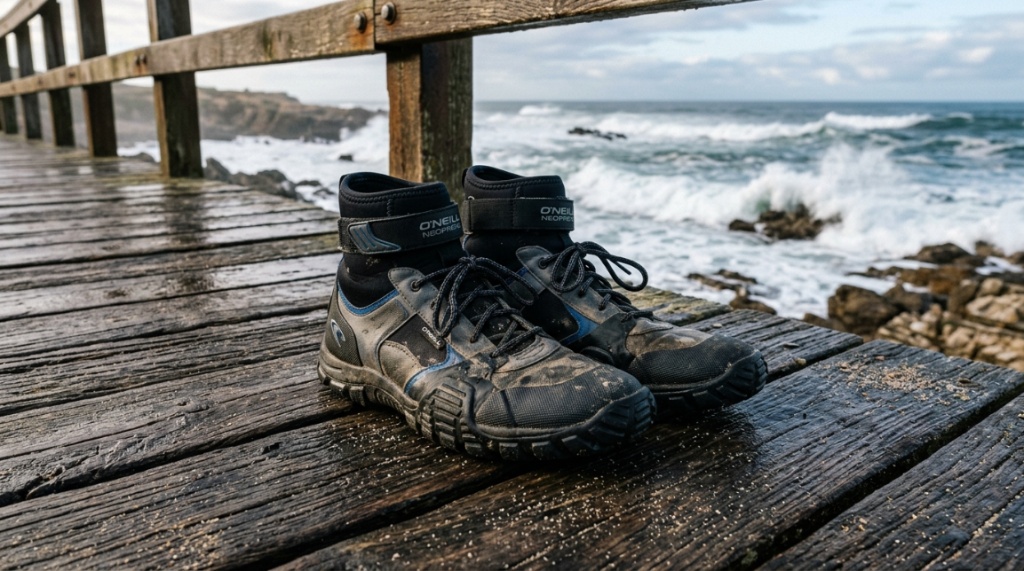
Yes, many common failures like sole separation or small holes are easily fixed with marine-grade adhesive or patch kits. Repairing a $25 pair of shoes can save you $50 over a year. This sustainable approach reduces waste and keeps your go-to pair in rotation for much longer.
Extending Sole Life with Rubber Adhesive
When the sole begins to peel from the upper, use a strong polyurethane or neoprene adhesive specifically designed for wet environments. Clean both surfaces with rubbing alcohol, apply the glue evenly, and clamp the shoe together for 24 hours. This simple fix can add months of service.
Patching Small Holes and Rips in the Upper
For small tears in mesh or neoprene, use a piece of ripstop nylon patch and strong fabric glue. Cut the patch to size, round the corners, and press it over the tear on both the inside and outside. This preserves the shoe’s integrity and stops the tear from expanding.
When Is It Time to Throw in the Towel?
If the midsole foam is visibly compressed and offers zero cushioning, or if the outsole is worn flat, the shoe has reached the end of its practical life. Worn holes that fill with sand or a completely detached sole also signal it’s time to replace. Continuing to use them increases injury risk.
Is Expensive Always Better? A Price vs. Longevity Comparison
Not always, but a $60 shoe will generally outlast a $20 shoe by nearly double the time. However, a well-chosen $30 shoe often offers similar performance to a $70 model if you prioritize the four key durability features. The trick is ignoring branding and focusing on material quality.
Cost-Per-Wear Analysis
Calculate the cost per wear by dividing the price by the estimated number of sessions. A $30 shoe lasting 100 sessions costs $0.30 per session. A $70 shoe lasting 150 sessions costs $0.47 per session. The “cheaper” shoe is the better deal if it lasts the estimated time.
Hidden Costs of Shoes That Fail Quickly
Frequent replacement costs more in shipping or gas for repeated trips to the store. Additionally, an injured foot from a failed shoe leads to missed surf sessions and medical bills. Spending slightly more upfront on a durable model is an investment in your surfing consistency.
When Paying More Makes Sense
If you need specialized features like integrated arch support or reef-safe materials, you will likely need to pay a premium. Also, if you surf 5+ times a week, professional-grade shoes will save you money in the long run. However, intermediate surfers can easily stick to the budget-friendly segment.
What Sizing Mistakes Shorten the Life of Your Surf Shoes?
Wearing shoes that are too small puts excessive stress on the seams and sole, leading to blowouts. Conversely, shoes that are too large cause friction and blisters, making you tighten straps excessively and stretching the materials. A snug fit with thin socks is ideal.
How to Measure Your Foot for the Perfect Fit
Trace your foot on a piece of paper while standing and measure the longest distance from heel to toe. Add half a centimeter for growing room or thick sock clearance. Then, compare this measurement to the brand’s specific size chart, as sizes are not standardized.
The Effect of Barefoot vs. Sock Wear
Most surf shoes are worn barefoot, which means the shoe will stretch slightly with use. If you plan to wear neoprene socks, order a half-size up. Avoid buying shoes that are tight, hoping they will stretch; they will break instead of adapting to your foot shape.
Proper Break-In Procedures
Wear your new shoes around the house for a few hours before hitting the water. This allows the materials to mold to your feet and stresses weak points before you are far from shore. If any area rubs, apply a blister prevention balm before your first session.
Frequently Asked Questions
Are cheap surf shoes safe for rocky Texas shorelines?
Yes, if they have a thick, rubber sole and a reinforced toe cap. These features protect against sharp shells and rocks. Avoid flimsy water socks that offer no structural support.
Can I use regular water shoes for surfing?
Yes, but look for designs with a high-grip outsole and secure heel strap. Many standard water shoes lack the durability for constant saltwater exposure, so check materials carefully.
How long should a pair of budget surf shoes last?
With proper care and moderate use (2-3 times a week), a good pair should last 6-12 months. Without rinsing and drying, expect that lifespan to drop by half.
Do surf shoes prevent stingray stings?
Yes, they provide a physical barrier against direct contact. However, they do not make you stingray-proof, as a sting can still occur if pressure is applied. The shoe is primarily for abrasion and cut protection.
Is it better to buy a half size up for neoprene socks?
Yes, you should size up by half a size if you plan to wear neoprene socks. This ensures adequate circulation and prevents cramped toes, which can cause early shoe failure.
Why do my cheap surf shoes smell so bad?
This is caused by bacteria breeding in damp, salty environments. Always rinse your shoes and dry them thoroughly. Using a dedicated shoe disinfectant spray helps eliminate odor.
Can I leave my surf shoes in the car during a Texas summer?
No, the extreme heat will warp the glue, crack the rubber, and deform the shoe shape. Store them in a cool, dry place away from direct sunlight to extend their lifespan.
Take the Next Step Toward Reliable Footwear
Finding durable, affordable surf shoes in Texas requires shifting your focus from price alone to the value you get for that price. By prioritizing construction materials, functional features, and proper care, you protect your feet and your bank account. Start by inspecting your current pair and identifying why they failed, then apply the buying criteria from this guide. Whether you choose to buy online or visit a local shop, you now have the knowledge to make a smart, informed investment. Your next surf session calls for gear that won’t quit, forcing you to adapt or buy new gear quickly. Choose wisely, care for your shoes, and they’ll have your back (and feet) for many sessions to come.





+ There are no comments
Add yours