



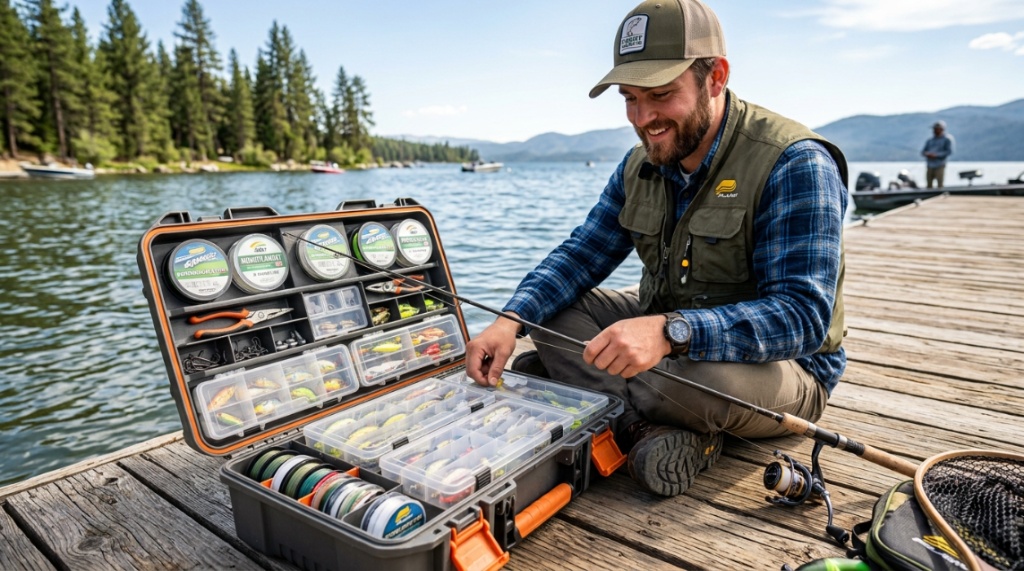
You know the feeling. You walk into the tackle shop, grab a budget plastic box, and within three months, the latch snaps, the hinge cracks, or the tray splits. You end up spending more money replacing cheap tackle boxes than you would have if you invested in a durable one upfront. The problem is real for anglers on a budget. You want gear that holds up without emptying your wallet. The solution is learning how to identify quality construction, materials, and design without paying premium brand prices. This guide shows you exactly how to find money-saving tackle boxes that deliver real money-saving years on the water.
What Makes a Tackle Box Both Affordable and Durable?
Material Quality Determines Longevity
The material of your tackle box directly impacts how long it lasts. Polypropylene plastic is stronger and more impact-resistant than standard polystyrene. Look for boxes labeled “heavy-duty polypropylene” or “impact-resistant resin.” These materials handle drops, temperature swings, and UV exposure better than cheaper alternatives. A polypropylene box costs only slightly more but lasts three to four times longer than a basic plastic model.
Hardware and Hinge Construction Matter
The weakest points on any tackle box are the latches, hinges, and handles. Durable boxes use stainless steel or brass hinges rather than molded plastic. Latches should click securely and release smoothly. Handles must be reinforced with metal brackets or thick plastic ribs. When you inspect a box in-store, open and close every latch. If it feels flimsy, it will fail within weeks. Spend a few extra dollars on solid hardware, and you avoid replacing the entire box.
Waterproof vs. Water-Resistant Seals
Many anglers confuse water-resistant with waterproof. A water-resistant box keeps splashes out but fails if submerged. A waterproof box uses a rubber gasket and secure latches to create an airtight seal. For most freshwater fishing, water resistance is enough and costs less. If you fish from a kayak or in heavy rain, invest in a fully waterproof box. You can save money by choosing water-resistant gear for bank fishing and upgrading only for specific conditions.
How Can You Spot a Cheap Tackle Box That Will Fail Quickly?
Look for Thin, Flexible Plastic Walls
Pick up the box and press on the sides and lid. If the plastic flexes easily or feels flimsy, it will crack under normal use. Durable boxes have thick, rigid walls that hold their shape. A good test is to apply gentle pressure to the center of the lid. If it bows more than a quarter inch, the plastic is too thin. Avoid these boxes even if the price is tempting.
Check the Tray Dividers for weakness.
Cheap boxes often have removable dividers that snap into flimsy slots. These dividers pop out when you move the box or when lures shift. Before buying, remove a divider and reinsert it. It should fit snugly and require moderate force to remove. Loose dividers create a mess and allow hooks to tangle. Spending a few dollars more on a box with sturdy, locking dividers saves frustration and money.
Inspect the Latch Mechanism
Latches are the number one failure point. Cheap boxes use a single plastic hook that catches a thin plastic loop. These break after ten to twenty openings. A durable box uses a metal or reinforced plastic latch with a positive locking action. Some premium budget boxes now include padlock-compatible latches, which indicate higher build quality. Always test the latch before purchasing.
Which Features Offer the Best Value for Your Money?
Modular Tray Systems Maximize Versatility
Modular boxes let you remove and rearrange trays. This feature allows one box to serve multiple fishing styles. For example, you can use deep trays for crankbaits and shallow trays for jigs. When you switch from bass fishing to trout fishing, you swap trays instead of buying a new box. Modular systems cost slightly more upfront but eliminate the need for multiple boxes, saving you significant money over time.
Rust-Resistant Hardware Protects Your Investment
Saltwater fishing demands rust-resistant hardware. Even if you fish only in freshwater, humidity and wet hands cause steel components to rust. Look for boxes with stainless steel or zinc-plated hinges and latches. This feature adds a dollar or two to the cost but prevents the box from falling apart after two seasons. Rusted hardware forces premature replacement, so paying a little extra now saves you later.
Adjustable Compartments Adapt to Changing Needs
Fixed compartments limit your flexibility. Adjustable dividers allow you to create larger or smaller spaces as your tackle collection changes. This feature costs nothing extra on many affordable boxes but dramatically increases usefulness. When you buy new lures, you reconfigure rather than buy a new box. This simple design choice is one of the most overlooked money-saving tackle box features available.
How Much Should You Spend on a Tackle Box That Lasts?
| Price Range | Expected Lifespan | Material Quality | Best Use |
|---|---|---|---|
| $10 – $20 | 3 – 6 months | Thin polystyrene | Temporary or children’s gear |
| $20 – $40 | 1 – 2 years | Standard polypropylene | Occasional freshwater fishing |
| $40 – $70 | 3 – 5 years | Heavy-duty polypropylene | Regular freshwater and light saltwater |
| $70 – $100+ | 5 – 10+ years | Impact-resistant resin with metal hardware | Heavy use, kayaking, and saltwater |
The sweet spot for most anglers is the $40–$70 range. These boxes offer thick plastic walls, metal hardware, and waterproof gaskets without the premium brand markup. You avoid the constant replacement cycle of cheap boxes while still staying within a reasonable budget. If you fish more than once a month, this price range delivers the best long-term value.
Can You Repair a Broken Tackle Box Instead of Replacing It?
Broken Latches and Hinges
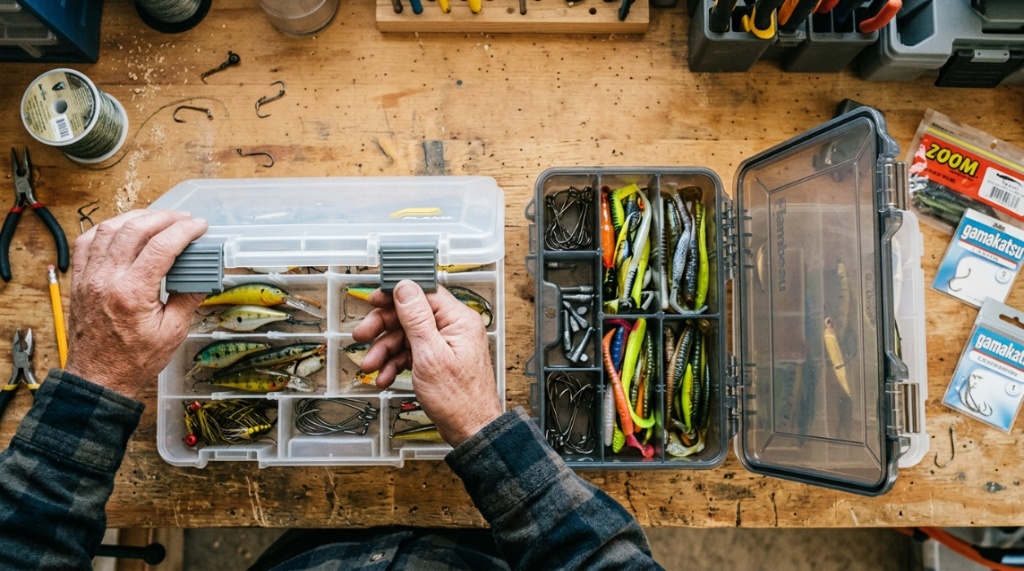
Many tackle boxes use standard-size latches and hinges that you can replace individually. Search online for “tackle box replacement latch” or “hinge repair kit.” A two-dollar part can restore a broken box to full function. Before throwing away a box with a broken latch, check if the manufacturer sells replacement parts. Some budget brands intentionally make parts unavailable, but higher-end affordable boxes often support repairs.
Cracked Plastic Bodies
Small cracks in polypropylene boxes can be repaired with plastic epoxy or a soldering iron for plastic welding. Clean the crack, apply the epoxy, and clamp it until dry. For larger cracks, drill a small hole at each end of the crack to stop it from spreading, then fill with epoxy. This repair extends the box’s life by another season or two. It is not a permanent fix, but it saves the cost of a new box.
Rusted Hardware
If only the hardware were rusted, you could replace it yourself. Remove the rusted screws, latches, or hinges and install stainless steel replacements from a hardware store. This upgrade costs under ten dollars and converts a failing box into a reliable one. Taking this step also prevents the rust from spreading to other metal components on the box.
What Storage Habits Extend Tackle Box Lifespan?
Clean and Dry Your Box After Every Trip
Moisture is the enemy of tackle boxes. After fishing, remove all wet lures and wipe down the interior. Leave the box open to air dry before closing it. This simple habit prevents mold, mildew, and rust from forming inside your box. It takes two minutes but can double the lifespan of any tackle box, regardless of its initial quality.
Store Boxes in a Cool, Dry Place
Extreme heat warps plastic, while extreme cold makes it brittle. Avoid storing tackle boxes in a hot garage, direct sunlight, or freezing temperatures. A closet or basement shelf at room temperature is ideal. If you must store boxes in a vehicle, bring them inside during temperature extremes. This habit prevents cracking and warping that would otherwise force replacement.
Organize by Weight and Sharpness
Heavy lures and sharp hooks damage dividers and trays over time. Place heavy crankbaits and jigs in reinforced compartments or on the bottom tray. Keep hooks and trebles in separate compartments to prevent them from scratching the box’s interior. This organization reduces wear on the box structure and keeps your tackle sorted longer.
How Do You Compare Affordable Brands Without Getting Overwhelmed?
Focus on Three Key Metrics
When comparing brands, evaluate material thickness, hardware quality, and warranty. A brand that offers a one-year or longer warranty on a sub-$50 box shows confidence in its build quality. Plano, Flambeau, and Berkley all produce affordable models with solid reputations. Avoid no-name brands from online marketplaces that lack reviews or warranty information, Best Freshwater Fishing Reel for Any Situation to pair with your new gear setup.
Read Reviews for Long-Term Usage Reports
Look for reviews written by anglers who have used the box for at least six months. These reviews reveal common failure points that initial impressions miss. Pay attention to complaints about latch breakage, hinge corrosion, and tray flex. A pattern of similar failures across multiple reviews is a warning sign to avoid that model.
Investigate the Return Policy
Retailers with generous return policies reduce your risk when trying a new brand. Stores like Cabela’s, Bass Pro Shops, and many online retailers accept returns within 30 to 90 days. If a box fails or disappoints, you can return it without losing money. This safety net allows you to test money-saving tackle boxes without committing fully to a brand you do not know.
Which Type of Tackle Box Offers the Best Durability for Your Fishing Style?
Soft-Sided Bags vs. Hard Cases
Soft-sided bags are lightweight and portable but offer minimal protection against crushing or impact. Hard cases protect your tackle from drops and other gear stacking on top. If you hike to remote fishing spots, a soft bag may work, but if you store multiple boxes in a boat or vehicle, choose a hard case. Hard cases also resist moisture better than fabric bags.
Backpack Style for Mobility
Tackle backpacks distribute weight evenly and keep your hands free. Look for models with reinforced stitching, padded shoulder straps, and a waterproof bottom. Expect to pay $40–$60 for a durable backpack that lasts several seasons. Avoid extremely cheap backpacks with thin straps and flimsy zippers, as these fail quickly under the weight of a full load.
Box Style for Maximum Capacity
Traditional box-style tackle storage offers the most space per dollar. Large utility boxes with removable trays store hundreds of lures and accessories. Choose a model with a metal handle reinforced through the plastic, not just attached to the surface. This design handles heavy loads without breaking. The extra cost for reinforced handles is minimal but critical for longevity.
How Often Should You Inspect Your Tackle Box for Signs of Wear?
Monthly Quick Checks
Once a month, open your box and inspect the latches, hinges, and handle. Look for cracks, rust spots, or loose screws. Tighten any loose hardware immediately. Catching small issues early prevents them from becoming catastrophic failures. A five-minute inspection each month saves you the frustration of a broken latch in the middle of a fishing trip.
Seasonal Deep Inspection
At the start of each fishing season, perform a thorough inspection. Remove all trays, clean the box interior, and check every divider. Test the waterproof seal by closing the box and running water over it, then opening and checking for moisture inside. Replace any worn-out parts before you hit the water. This seasonal check ensures your box is ready for a full season of use.
Post-Accident Evaluation
If you drop your tackle box or it falls off a boat seat, inspect it immediately. Look for hairline cracks that may not be visible until pressure is applied. Press around the impact point to see if the plastic flexes differently. A crack that appears later can ruin a day of fishing, so address it right away with epoxy or replacement.
Frequently Asked Questions
What is the most durable material for a budget tackle box?
Heavy-duty polypropylene plastic offers the best balance of durability and affordability. It resists impact, UV rays, and temperature changes better than standard polystyrene. Boxes made from this material cost $30–$50 and typically last three to five years with proper care.
Can a cheap tackle box be made more durable?
Yes. You can reinforce weak points by adding epoxy to thin areas, replacing plastic latches with metal ones, and installing a rubber gasket for better sealing. These upgrades cost under $15 and can extend the life of a cheap box by one to two seasons.
How do I know if a tackle box is waterproof or just water-resistant?
Waterproof boxes have a rubber gasket around the lid and use compression latches to create an airtight seal. Water-resistant boxes rely on overlapping plastic and lack a gasket. Look for the word “waterproof” on the packaging and check for a visible rubber seal before purchasing.
Are expensive tackle boxes worth the extra money?
Not always. Many expensive brands charge more for a logo and marketing than for actual material quality. A well-chosen $50 box with thick polypropylene, metal hardware, and a modular interior performs as well as a $120 box from a premium brand. The key is to focus on construction rather than brand name.
Should I buy a tackle box with removable trays or fixed compartments?
Removable trays offer more flexibility and usually cost the same as fixed compartments. They allow you to rearrange tackle for different fishing trips and make cleaning easier. Fixed compartments are slightly lighter but limit your ability to adapt as your tackle collection grows.
What size tackle box is best for saving money?
A medium-size box around 14–16 inches long provides enough capacity for most freshwater anglers without encouraging overfilling. Oversized boxes cost more and tempt you to buy unnecessary tackle. A box that forces you to be selective about what you carry saves money on both the box and the lures.
How long should a quality budget tackle box last?
A well-made budget tackle box in the $40–$70 range should last three to five years with regular use and basic maintenance. Higher-end models with metal hardware and impact-resistant resin can last eight to ten years or longer. Cheap boxes under $20 typically fail within six months.
Final Thoughts on Choosing Tackle Boxes That Save Money and Last
You do not need to spend a fortune to get a tackle box that holds up season after season. Focus on material quality, hardware strength, and smart features like modular trays and adjustable compartments. Inspect boxes carefully before buying, and invest a few extra dollars in the $40–$70 range where you get the best return on durability. Practice simple maintenance habits like drying your box after each trip and storing it in a cool place. These steps let you avoid the constant replacement cycle that drains your fishing budget. Apply these principles the next time you shop, and you will find a tackle box that serves you faithfully without breaking your wallet.




+ There are no comments
Add yours