







You don’t need to spend a fortune to get rich, detailed sound. Many shoppers assume that great audio requires dropping $300 or more on flagship models. The reality is different. The best value over-ear headphones deliver 80 to 90 percent of the performance of premium flagships at half the price. If you have ever felt overwhelmed by technical specs or unsure whether budget-friendly options can actually sound good, this guide will help you cut through the noise. We’ll focus on what actually matters—sound quality, durability, comfort, and smart spending—so you can make a confident choice without overpaying.
What Makes Over-Ear Headphones Offer Better Value Than Earbuds?
Over-ear headphones generally provide superior soundstage, bass response, and passive noise isolation compared to in-ear monitors at the same price point. The larger driver housings and ear cup designs allow for fuller acoustic reproduction, which makes them a better value for home listening or extended studio sessions. Earbuds offer portability, but over-ears win on immersion and long-term comfort for stationary use.
Larger Drivers Deliver Fuller Sound
Most over-ear headphones use drivers between 40mm and 50mm, compared to the tiny 8mm to 12mm drivers found in earbuds. This physical advantage means more air movement, deeper bass extension, and less distortion at higher volumes. For genres like jazz, classical, or electronic music, the added driver surface translates to a more natural and convincing listening experience.
Superior Passive Noise Isolation
Over-ear cups create a physical seal around your ears, blocking ambient noise without requiring active electronics. This passive isolation works consistently even if the battery dies on wireless models. It also reduces listening fatigue because you do not need to crank the volume to overcome background chatter or traffic noise.
Comfort for Extended Listening Sessions
The weight distribution across the headband and the cushioning around the ears make over-ears far more comfortable for hours of continuous use. Earbuds can cause ear canal fatigue or soreness after an hour or two, especially if they require a tight seal. Over-ears allow your ear canal to breathe and reduce pressure points.
Why Should You Trust Affordable Over-Ear Headphones in 2025?
The audio industry has matured significantly. Brands like Audio-Technica, Sony, Anker, and Philips now produce models under $100 that rival the sound accuracy of $300 headphones from a decade ago. Manufacturing efficiencies, improved driver materials, and fierce competition have driven prices down while raising quality floors. You no longer need to be an audiophile to enjoy clean, balanced sound on a budget.
Brand Competition Has Lowered Prices
Companies like Anker (Soundcore) and Monoprice have disrupted the traditional audio market by offering well-tuned headphones at aggressive price points. When established brands like Sony and Sennheiser responded with budget-friendly lines like the Sony CH series or Sennheiser HD 400 series, consumers became the winners. Price no longer directly correlates with quality in the sub-$100 range.
Driver Technology Has Improved
Modern neodymium magnets and lightweight composite diaphragms allow budget drivers to produce clearer highs and tighter bass than older premium drivers. Polyester and PET film diaphragms reduce breakup distortion, while improved magnet circuits increase sensitivity. This means even a $60 pair can deliver articulate vocals and punchy low end.
Wireless Components Are Cheaper and More Reliable
Bluetooth 5.3 chipsets, which support low-latency codecs like aptX and LDAC, are now found in headphones under $80. Battery efficiency has also improved, giving budget wireless models 40 to 60 hours of playback. The wireless experience on a $70 pair today feels as smooth as a $200 pair from three years ago.
How to Evaluate Sound Quality When You Cannot Demo In Person
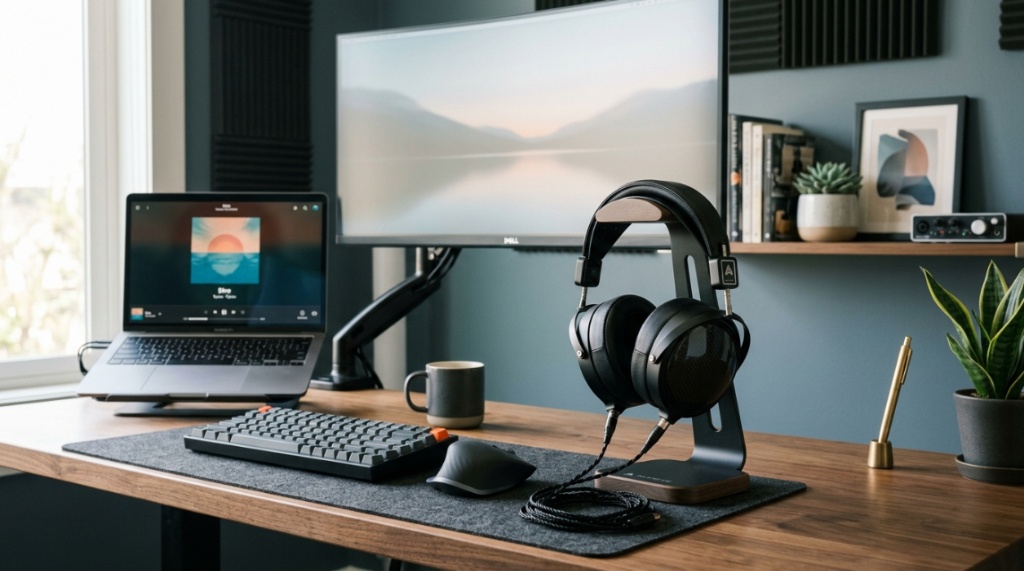
Without listening to headphones firsthand, you can still judge sound quality by examining frequency response graphs, driver type, impedance, and sensitivity ratings. Focus on a balanced signature rather than exaggerated bass or treble. Look for models that reviewers describe as “neutral” or “reference-grade,” since those tend to work well across all music genres and media content.
Read Frequency Response Graphs
Websites like Rtings.com and Crinacle.com publish standardized frequency response measurements. Look for a relatively flat curve between 20 Hz and 20 kHz. A slight rise in the bass region (50–200 Hz) is acceptable for consumer headphones, but avoid models with a huge spike in the upper mids (2–4 kHz) because those sound harsh on vocals. Smooth treble roll-off after 10 kHz reduces listener fatigue.
Check Impedance and Sensitivity
Lower impedance (16–32 ohms) and higher sensitivity (100 dB or greater) mean the headphones will get loud enough from a smartphone, laptop, or basic audio interface without requiring a dedicated amplifier. If you plan to use them with a high-end DAC or amplifier, higher impedance models (around 250 ohms) offer better control and lower distortion, but they are not necessary for most users.
Look for Replaceable Ear Pads and Cables
Value over time depends on repairability. Models with detachable cables and widely available replacement ear pads extend the usable life of your headphones by years. Brands like Audio-Technica, Beyerdynamic, and Sennheiser excel in this area. Avoid glued-in ear pads or proprietary cables that force you to replace the entire unit if a component fails.
What Features Actually Matter for Value Over-Ear Headphones?
Not every feature adds real-world value. Some features like active noise cancellation, multi-point Bluetooth, and app-based EQ are genuinely useful. Others like RGB lighting, fabric ear cups, or bundled carrying cases with poor protection are often marketing fluff. Focus on features that improve daily usability and sound quality.
Active Noise Cancellation vs. Passive Isolation
Active noise cancellation (ANC) adds cost and weight. If you work in a noisy office or commute on public transit, ANC is worth the extra $30 to $50. However, for home use, passive isolation from well-padded ear cups is sufficient and saves money. The best value over-ear headphones often offer excellent passive isolation without ANC, letting you invest more in driver quality instead.
Battery Life and Charging Speed
Aim for at least 30 hours of playback on wireless models. Quick charging (5 minutes for 2 hours of playback) is a practical feature that matters more than a leather carrying case. USB-C charging is now standard and expected. Avoid micro-USB models in 2025 because they indicate older components and slower charging.
Codec Support for Wireless Sound Quality
For wireless performance, prioritize aptX (Qualcomm) or LDAC (Sony) support. These codecs transmit more audio data than standard SBC, resulting in better clarity, especially in the treble range. AAC support is important for iPhone users. Bluetooth 5.0 or higher ensures stable connections and lower power consumption.
Which Brands Consistently Produce the Best Value Over-Ear Headphones?
Several brands have established reputations for delivering exceptional performance at accessible price points. Audio-Technica leads with the ATH-M20x and ATH-M30x for wired monitoring, while Anker Soundcore dominates the wireless budget category. Sony offers a middle ground with the WH-CH720N, combining ANC with decent sound quality for under $100. Philips and Sennheiser also maintain strong budget lines.
Audio-Technica: Wired Monitoring Excellence
The ATH-M20x ($50) and ATH-M30x ($70) are workhorses in recording studios. They offer flat frequency response, comfortable velour ear pads (on the M30x), and rugged build quality with metal yokes. These are not flashy, but they sound accurate and last for years. The detachable cable on the M30x is a major advantage over cheaper competitors.
Anker Soundcore: Wireless Value Champions
The Soundcore Life Q30 and Q45 are consistently praised for their ANC performance, 40+ hour battery life, and customizable EQ through the Soundcore app. They often sell for between $60 and $80. The Q45 offers LDAC support, which is rare at this price point. If you want wireless convenience without sacrificing sound quality, this brand is the safe bet.
Sony: Proven Engineering at Accessible Prices
The Sony WH-CH720N includes Sony’s Integrated Processor V1 (the same chip from the flagship WH-1000XM5) but costs around $100. It offers adaptive noise cancellation, lightweight design (192g), and 35-hour battery life. Sound quality is balanced, though bass is slightly emphasized. It is a fantastic entry point into Sony’s ecosystem without the premium price tag.
How Do You Choose Between Wired and Wireless Value Headphones?
Your choice depends on whether you prioritize absolute sound quality (wired) or convenience and freedom (wireless). Wired models under $70 often outperform wireless models at the same price in terms of clarity, detail, and lack of compression artifacts. However, wireless models provide modern convenience, no cable noise, and compatibility with modern phones that lack headphone jacks.
When to Choose Wired
Choose wired if you listen at a desk, use a USB DAC, or prioritize studio-monitor accuracy. Wired headphones have zero latency, no battery anxiety, and typically weigh less because they lack battery packs and Bluetooth antennas. They also tend to last longer since there are fewer electronic components to fail.
When to Choose Wireless
Choose wireless if you move around your home or office, take calls, or use a phone without a headphone jack. Bluetooth headphones with aptX or LDAC can sound very good, and the ability to walk away from your device without interruption is genuinely liberating. Hybrid models that support both wired and wireless operation offer the best of both worlds.
Hybrid Models as a Safe Middle Ground
Many value wireless headphones include a 3.5mm input for passive wired use. This ensures you still have functionality if the battery dies or if you want to use them with a higher-quality source. Anker Soundcore and Sony both offer hybrid connectivity across their mid-range lines. This flexibility adds significant long-term value.
Can You Get Good Active Noise Cancellation Under $80?
Yes, several models under $80 now offer capable ANC that reduces low-frequency rumble like airplane engines or HVAC hum. The Anker Soundcore Life Q30, for example, provides adaptive ANC that is surprisingly effective given its $70 price tag. Performance is not on par with $350 flagships, but for most environments it reduces noise enough to hear details clearly at lower volumes.
ANC Performance at Entry-Level Prices
Budget ANC typically cuts 20 to 25 dB of external noise, compared to 35+ dB from premium models. This is sufficient for libraries, coffee shops, and light travel. The biggest compromise is often in the transparency mode, which may sound artificial or hollow. If ANC matters to you, prioritize models with multiple noise cancellation levels and wind reduction modes.
Trade-offs to Expect
Budget ANC headphones may produce slight white noise or pressure when ANC is engaged, especially in quiet environments. The build quality may also be mostly plastic to keep costs down. However, these trade-offs are acceptable for the price, and the convenience of working in a quieter space is genuinely valuable for productivity.
How to Maintain Your Over-Ear Headphones for Long-Term Value
Proper maintenance extends the life of your headphones significantly. Cleaning ear pads regularly, storing them in a protective case, and avoiding excessive volume levels prevent common failure points like driver rattle, pad peeling, and headband cracking. A small investment in care saves you from replacing perfectly functional headphones after a year.
Clean Ear Pads Every Two Weeks
Wipe pleather ear pads with a slightly damp microfiber cloth to remove oils and sweat residue. If pads become flaky or cracked, replace them immediately. Worn pads also degrade sound quality by breaking the acoustic seal, which reduces bass response and isolation. Generic replacement pads are available for most popular models on Amazon for under $15.
Store in a Hard or Semi-Hard Case
Never toss headphones into a backpack without protection. A semi-hard zippered case prevents cable snags, crushed headbands, and driver damage from impact. Many budget headphones include a basic pouch, but upgrading to a hard case for around $20 is a worthwhile investment if you travel frequently.
For a detailed breakdown of specific models currently available, check out this resource on best value over-ear headphones that provides real-world comparisons and pricing insights across multiple retailers.
Manage Cable Stress
If you use wired headphones, avoid bending the cable at sharp angles near the connector. Use a cable tie or velcro strap to keep the cable organized when stored. Detachable cables remove the risk of internal wire breakage entirely; if the cable fails, simply replace it instead of buying new headphones.
Which Sound Signature Is Best for All-Around Use?
A neutral or slightly warm sound signature works best for all-around use, including music, movies, gaming, and podcasts. Overly bright treble or heavily boosted bass can cause listener fatigue and muddle quieter sounds. The best value over-ear headphones for versatility typically follow a Harman target curve, which provides clarity without harshness.
Neutral as a Starting Point
Neutral headphones reveal details in recordings as the artist intended. They make voices sound natural and allow you to hear reverb tails and instrument placement clearly. If you are not sure what you like, start neutral. You can always adjust with an EQ app later if you decide you prefer more bass or treble.
Warm Signature for Relaxed Listening
A warm signature slightly emphasizes bass and lower mids while rolling off harsh upper treble. This is ideal for extended listening sessions, podcasts, or audiobooks. Warm headphones reduce ear fatigue and make sibilant vocals (excessive “s” sounds) less irritating. Many budget headphones from Philips and Sennheiser lean warm by default.
Avoid V-Shaped Signatures for Critical Listening
V-shaped headphones boost both bass and treble while scooping out mids. This sounds exciting for pop and EDM but can make voices sound hollow or distant. If you plan to listen to a wide variety of content, including dialogue-heavy TV shows or acoustic music, avoid aggressive V-shaped tuning.
What Common Mistakes Should You Avoid When Buying Budget Headphones?
The biggest mistake is prioritizing brand name or flashy features over core performance. Another common error is ignoring impedance or sensitivity specs, leading to headphones that sound quiet on a phone. Finally, many buyers skip reading multiple reviews, relying on a single source. Cross-reference opinions from audio forums, YouTube reviewers, and measurement sites before purchasing.
Buying Based on Price Alone
The cheapest option is rarely the best. A $25 pair of generic headphones will almost certainly sound muffled, have poor build quality, and lack replacement parts. Set a minimum budget of $40 for wired or $50 for wireless to reach a tier where decent engineering is guaranteed. Spending a little more upfront prevents frustration down the line.
Ignoring Return Policies
Sound preference is subjective. Always buy from retailers with a generous return policy (Amazon, Best Buy, B&H Photo). Try the headphones for a few days with your favorite music and podcasts. If the treble sounds piercing or the ear pads feel shallow, send them back. Do not wait until the return window closes.
Overlooking Comfort for Sound Quality
The best-sounding headphones in the world are worthless if they hurt after 30 minutes. Clamping force, pad depth, and headband padding differ significantly between models. Prioritize reviews that mention comfort for large heads or glasses wearers. A heavy pair with insufficient padding will end up in a drawer instead of on your head.
Frequently Asked Questions
Are cheap over-ear headphones worth buying?
Yes, as long as you stick to reputable brands like Audio-Technica, Anker, Sony, or Philips. Cheap generic brands often cut corners on driver tuning, build quality, and warranty support. Invest in well-reviewed budget models, and you will get excellent performance for the price.
How much should I spend on good over-ear headphones?
For wired models, spending $50 to $80 gets you excellent sound quality and durable build. For wireless headphones with ANC, expect to pay between $60 and $100 for solid performance. Beyond $130, you enter diminishing returns territory where improvements are incremental for most listeners.
Can I use wireless headphones in wired mode?
Most wireless headphones include a 3.5mm audio jack for passive wired usage. However, check the specifications because some models require power for the built-in EQ or ANC features, even in wired mode. Anker Soundcore and Sony models typically support true passive wired operation without needing battery power.
What is the difference between open-back and closed-back value headphones?
Open-back headphones have perforated ear cups that let air pass through, creating a wider soundstage and more natural sound. However, they leak sound and provide zero isolation. Closed-back headphones isolate noise and prevent sound leakage, making them better for commuting or recording vocals. For general home use, closed-back is more versatile.
How do I know if headphones will fit my head comfortably?
Check the headband extension range and ear cup rotation. Look for reviews that mention “glasses-friendly” or “large head” comfort. Ideally, the headband should have at least 3 inches of adjustable length on each side. Ear cups should be large enough to fully enclose your ears without pressing against them.
Is active noise cancellation necessary for studying?
Not necessarily. In a quiet room, passive isolation from well-padded closed-back headphones reduces enough ambient noise to concentrate. ANC is more useful in noisy environments like coffee shops, libraries with HVAC hum, or open-plan offices. If you study in a quiet home, save money and skip ANC.
Ultimately, finding the best value over-ear headphones comes down to understanding your listening habits, avoiding marketing hype, and prioritizing long-term comfort and repairability. The market in 2025 is full of excellent options that cost less than you might expect. Start with a neutral signature, choose a trusted brand, and always prioritize comfort. Your ears—and your wallet—will thank you.






+ There are no comments
Add yours