




You’ve got your rod, your tackle box is stocked, but something still feels off. Maybe your reel is spitting line on the cast, grinding when a fish pulls, or just feels like a toy in your hands. Choosing the wrong freshwater reel is one of the fastest ways to kill your confidence on the water. Whether you are chasing bass in a weedy pond, trout in a rushing stream, or walleye in a deep lake, the right reel makes the difference between a great day and a frustrating one. This guide breaks down exactly how to match a reel to your specific situation without wasting money on features you don’t need.
What Are the Main Types of Freshwater Fishing Reels?
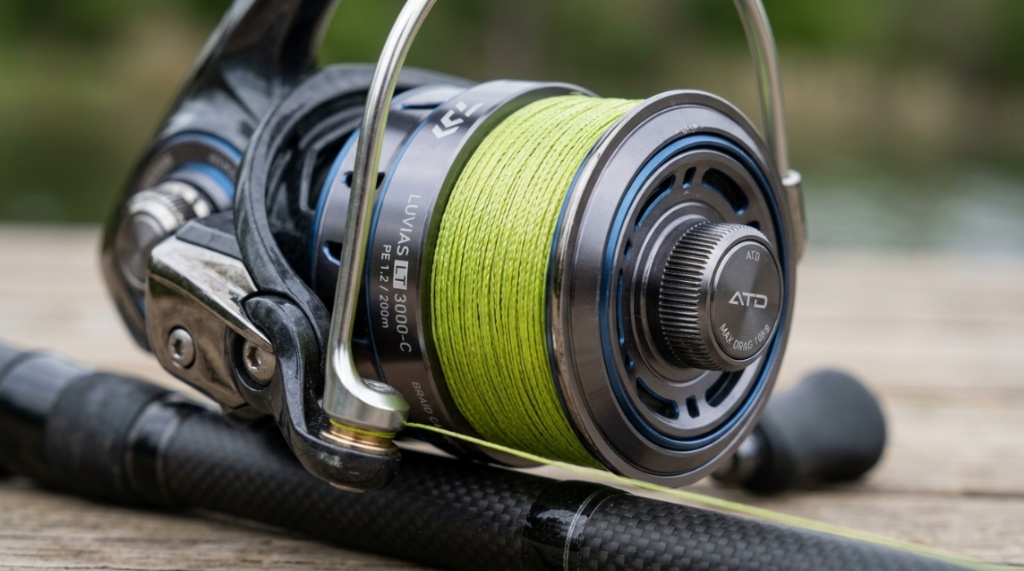
The three primary freshwater fishing reels are spinning reels, baitcasting reels, and spincast reels. Spinning reels are the most versatile and beginner-friendly, hanging below the rod. Baitcasting reels sit on top and offer incredible accuracy and power for experienced anglers. Spincast reels are enclosed, simple to use, and ideal for kids or casual fishing.
Each type excels in different environments. Spinning reels handle light lures and finesse presentations well. Baitcasting reels dominate when throwing heavy baits or fighting larger fish in cover. Spincast reels minimize tangles, making them perfect for quick trips or teaching beginners.
Breaking Down the Differences
- Spinning Reels: Best for live bait, drop shotting, and light jigs. Easy to cast lightweight lures.
- Baitcasting Reels: Superior for flipping, pitching, and crankbaits. Greater control and gear ratio options.
- Spincast Reels: Closed face design prevents line twists. Lower cost but limited drag and line capacity.
Your choice here sets the foundation for every other decision.
How Do You Match a Reel to Your Target Species?
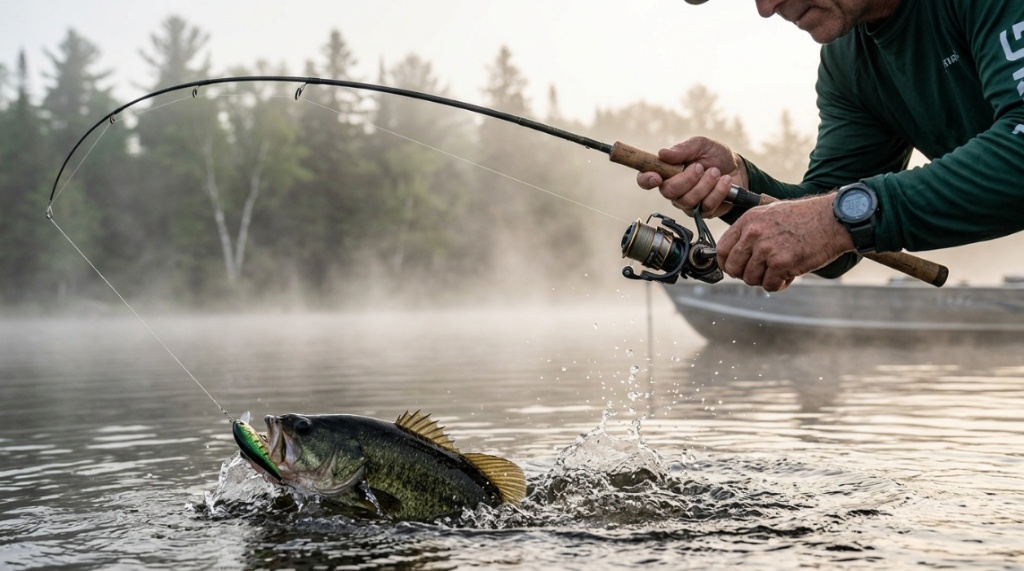
Match the reel’s drag system and line capacity to the species you pursue. For panfish and trout, a light spinning reel with 4-6 pound test line is sufficient. Bass and pike require stronger drags (10-20 pounds) and higher line capacity to handle explosive runs and heavy cover. Walleye and stripers often fall in the middle, needing smooth drags and medium line capacities.
If you target trophy muskies or large catfish, you need a reel with a sealed drag system and at least 20 pounds of stopping power. A reel designed for small bluegill will fail on a big northern pike, and you risk losing both the fish and the gear.
Quick Species Guide
| Species | Reel Type | Drag Rating | Line Capacity |
|---|---|---|---|
| Panfish / Trout | Spinning (Size 1000-2500) | 3-8 lbs | 100 yds of 4-6 lb |
| Bass (Largemouth/Smallmouth) | Baitcasting or Spinning (Size 2500-3000) | 10-20 lbs | 120 yds of 10-15 lb |
| Walleye / Pike | Spinning (Size 3000-4000) | 12-20 lbs | 150 yds of 8-12 lb |
| Catfish / Muskie | Baitcasting (Large frame) | 20+ lbs | 200 yds of 20-30 lb |
What Is a Gear Ratio and Why Does It Matter?
Gear ratio refers to how many times the spool turns with one full rotation of the handle. A 5.2:1 ratio means the spool spins 5.2 times per handle turn. Low ratios (4:1 to 5:1) provide high torque for cranking deep lures or pulling fish from heavy cover. High ratios (6:1 to 8:1) allow fast line retrieval for topwater baits and jerkbaits.
For general freshwater fishing, a medium ratio between 6:1 and 7:1 strikes the best balance. You can still crank bottom contact baits effectively while keeping up with a fast-moving fish. Beginners often overestimate how fast they need to retrieve, so start in the middle and adjust later.
Which Drag System Is Best for Freshwater Fishing?
A carbon fiber or hybrid drag system provides the smoothest performance for freshwater fishing. Carbon fiber washers offer consistent pressure without sticking or surging, which is critical when fighting fish that make sudden runs. Star drag systems on baitcasters are simple to adjust, while rear or front drag on spinning reels offers fine-tuning on the fly.
Sealed drags are worth the extra cost if you fish in sandy or muddy conditions. Sand and grit destroy standard drag washers quickly. For most freshwater anglers, a quality carbon fiber stack with corrosion-resistant components handles everything from trout to big bass without breaking the bank.
How Do You Choose the Right Reel Size?
Reel size is determined by the spool diameter and line capacity, typically numbered from 1000 (smallest) to 10000 (largest). For freshwater, sizes 2500 to 4000 cover nearly every scenario. A 2500 reel is ideal for finesse fishing and lighter lines. A 4000 reel handles heavier lines and larger fish like pike or carp.
Consider the rod you pair it with. The reel must balance the rod. A heavy reel on an ultralight rod makes casting uncomfortable and fatiguing. A 3000 size spinning reel paired with a medium-power rod is the most versatile freshwater combo. For baitcasting, reel frames are labeled by line weight capacity rather than numbers, but 100 to 200 size covers most bass and walleye fishing.
Can a Cheap Reel Be Reliable for Freshwater?
Yes, but only if you manage expectations. A low-cost reel around $30-$60 can work well for light use, such as panfish or occasional bass fishing. However, these reels use plastic internal components and weaker drag washers. They may fail after a season of heavy use or when fighting larger fish.
For serious freshwater fishing, spending between $80 and $150 gets you a reel with aluminum frames, sealed bearings, and reliable drag systems. This range offers the best value. You don’t need a $400 reel for bass ponds, but the cheapest option often costs more in frustration and lost fish.
Price vs. Performance Breakdown
- Under $50: Plastic components, basic drag, suitable for kids or infrequent trips.
- $50-$100: Graphite frames, decent bearings, good for moderate use.
- $100-$200: Aluminum frames, carbon drag, smooth operation, reliable for years.
- $200+: High-end bearings, precision machining, professional grade.
What Bearings Should You Look For in a Reel?
Look for stainless steel or sealed bearings. Stainless steel resists corrosion from water and humidity. Sealed bearings keep out dirt and grit, extending the reel’s lifespan. The number of bearings is less important than the quality. A reel with 5 high-quality sealed bearings outperforms a reel with 12 cheap unsealed ones.
For freshwater fishing, 4 to 7 bearings are typically sufficient. More bearings generally mean smoother operation, but diminishing returns set in quickly. Avoid reels that advertise bearing count as the main selling point without mentioning the material or sealing.
How Important Is Line Capacity for Freshwater Fishing?
Line capacity matters most when targeting fish that make long runs, such as pike, steelhead, or large catfish. A reel that runs out of line mid-fight often results in a broken line or lost fish. For bass and panfish, standard capacity of 100-150 yards is usually enough.
Match the line capacity to the line diameter you plan to use. Braided line is thinner than monofilament, so you can fit more on the spool. If you fish heavy cover with 30-pound braid, ensure the spool holds at least 150 yards. For open water with lighter lines, less capacity is acceptable.
What Is the Best Reel for Beginners and Casual Anglers?
The best reel for beginners is a spinning reel in size 2500 or 3000. Spinning reels are intuitive, minimize backlash, and work well with a wide range of lures and baits. Pair it with a medium-light or medium power rod, and you can target everything from bluegill to bass. Avoid baitcasting reels until you have mastered basic casting techniques.
Spincast reels are also viable for complete novices or children due to their simplicity. However, they limit growth because they struggle with heavier lines and larger fish. A quality spinning reel offers a smoother learning curve and longer usability.
Are Lightweight Reels Better for Freshwater Fishing?
Lightweight reels reduce fatigue during long days on the water, but they must balance weight with durability. Graphite and carbon composite reels are lighter but may flex under heavy pressure. Aluminum reels are heavier but more rigid and durable.
For all-day wading or kayak fishing, a lighter reel (7-10 ounces) makes a noticeable difference in comfort. For boat fishing where you rest the rod often, weight matters less. Evaluate how you fish first, then choose the material.
Once you have selected your setup, matching it with the right fishing line for a spinning reel is crucial. The wrong line weight can cause severe wind knots and ruin your casting distance.
Weight Considerations by Fishing Style
- Wading or Bank Fishing: Sub-8 ounces preferred.
- Kayak or Canoe: 8-10 ounces is a good balance.
- Boat Fishing: Weight less critical, prioritize durability.
Which Reel Features Are Worth the Extra Cost?
A machined aluminum spool, sealed drag system, and corrosion-resistant bearings are worth the extra investment. These features directly impact performance, smoothness, and longevity. Features like infinite anti-reverse, which eliminates handle backplay, also improve hooksets and fish fighting.
A magnetic or centrifugal braking system on baitcasting reels is critical for controlling backlash, especially in windy conditions. While cheaper baitcasters lack this, the extra cost is justified for reducing tangles and frustration. Skip features like exotic paint colors or branded line clamps that add no functional benefit.
When Should You Upgrade Your Fishing Reel?
Upgrade when the drag becomes inconsistent, the handle wobbles, or the reel no longer casts smoothly. These are signs of internal wear that cannot be easily repaired in budget reels. Also upgrade if you plan to target larger species than your current reel can handle.
If your reel has visible rust, cracked frames, or grinding gears, replacement is cheaper and more reliable than repair. For mid-range reels, servicing the drag and bearings every year can extend life significantly. But once performance degrades noticeably, a new reel improves your fishing experience immediately.
To see real-world performance tests on speed, drag, and durability across multiple price points, check out this detailed comparison of freshwater fishing reels best fishing reels. It will help you connect the specs to actual on-the-water results.
Conclusion
Choosing the best freshwater fishing reel comes down to matching the type, size, drag, and gear ratio to your specific fishing style and target species. Spinning reels offer the most versatility for most anglers, while baitcasters reward those who want precision and power. Don’t overpay for features you won’t use, but invest in quality where it matters: drag smoothness, bearing quality, and corrosion resistance. Start by identifying what you fish for most often and what conditions you face. Then use the guidelines above to narrow your options. A well-chosen reel makes every cast more confident and every catch more enjoyable.
Frequently Asked Questions
How do I know what size fishing reel to buy?
Match the reel size to the rod power and target species. Size 2500 to 3000 spinning reels cover most freshwater fishing from panfish to bass. Larger sizes are needed for big pike or catfish.
Is a baitcasting reel better than a spinning reel?
Baitcasting reels offer better accuracy and power for heavy lures and cover fishing. Spinning reels are easier to use and handle lighter lures better. Neither is universally better; it depends on your technique.
Do more bearings mean a better fishing reel?
Not necessarily. Quality sealed stainless steel bearings matter more than quantity. Five high-quality bearings outperform twelve low-quality ones. Focus on bearing material and sealing over sheer count.
What gear ratio is best for bass fishing?
A gear ratio between 6.4:1 and 7.3:1 works best for most bass techniques. It allows fast retrieval for topwater while still providing enough torque for crankbaits and jigs.
How often should I service my freshwater fishing reel?
Service your reel at least once per season or after every 10-15 fishing trips. Clean the bearings, lubricate moving parts, and check the drag washers. More frequent service is needed in muddy or sandy conditions.
Can I use a saltwater reel for freshwater fishing?
Yes, but saltwater reels are heavier and more expensive than necessary for freshwater. They work fine but may feel cumbersome. Freshwater-specific reels are lighter and more comfortable for typical freshwater use.
What is the best line to pair with a freshwater spinning reel?
Braided line with a fluorocarbon leader is the most versatile combination. Braid offers strength and sensitivity while the fluorocarbon leader provides invisibility and abrasion resistance. Use 10-20 pound braid for most situations.








+ There are no comments
Add yours