






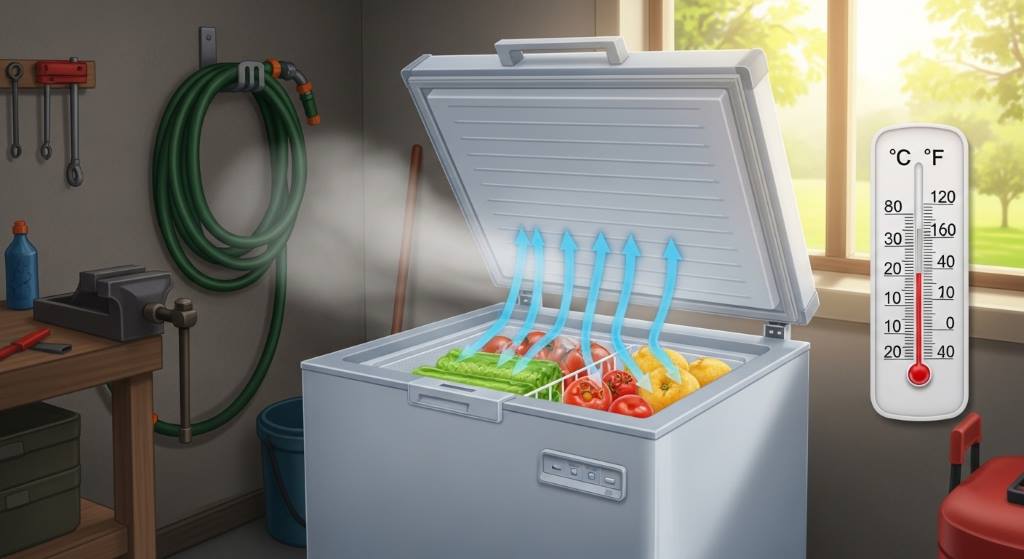
Summer in Miami brings intense heat, high humidity, and extra pressure on household appliances. According to climate data, Miami regularly experiences summer temperatures above 90°F, while humidity levels often exceed 70%. These conditions can affect the performance of deep freezers and increase energy consumption. Many homeowners start noticing temperature fluctuations and cooling issues during the hottest months. In some cases, a freezer not staying cold compressor shuts off situation may appear alongside airflow problems. Understanding why a deep freezer loses cold air during summer in Miami, FL can help prevent food loss, costly repairs, and unnecessary stress.
Why Summer Weather Affects Deep Freezers More in Miami
Miami’s climate creates a challenging environment for refrigeration equipment. Hot outdoor temperatures force freezers to work harder throughout the day. Meanwhile, humid air enters the appliance every time someone opens the lid or door. As a result, the cooling system must remove both heat and moisture continuously.
Unlike cooler regions, South Florida experiences long periods of extreme humidity. Moisture accumulation can reduce cooling efficiency over time. Consequently, frost buildup and condensation become more common. These conditions often make homeowners think the freezer has a mechanical failure when environmental factors play a major role.
Common Reasons a Deep Freezer Loses Cold Air During Summer
Frequent Door Opening
Every time the freezer opens, warm air rushes inside. During summer, that incoming air carries additional moisture. Therefore, the appliance must work harder to restore the proper temperature. Frequent access can gradually reduce cooling performance.
Busy households often overlook this simple issue. Children may repeatedly open the freezer while searching for snacks. Similarly, meal preparation can involve multiple visits within a short period. Reducing unnecessary openings helps maintain stable temperatures.
Damaged Door Gasket
The gasket creates an airtight seal around the freezer door. When it becomes cracked, loose, or dirty, cold air escapes continuously. Meanwhile, warm Miami air enters the compartment. This exchange causes temperature instability and increased compressor activity.
A simple inspection can reveal most gasket problems. Run your fingers along the edges and check for visible gaps. Additionally, look for mold or debris that may prevent proper sealing. Replacing a worn gasket often restores cooling efficiency quickly.
Overloaded Storage Space
Many people stock up on frozen foods before summer gatherings. However, overfilling a deep freezer can restrict airflow. Cold air must circulate freely around stored items. Otherwise, some sections become warmer than others.
Proper organization improves performance significantly. Leave small gaps between containers whenever possible. Furthermore, avoid stacking packages directly against interior vents. Good airflow allows the freezer to maintain consistent temperatures throughout the compartment.
Dirty Condenser Coils
Condenser coils release heat collected from inside the freezer. Dust, pet hair, and debris can cover these coils over time. As a result, heat removal becomes less effective. The freezer then struggles to maintain cold temperatures.
Miami homes often accumulate airborne particles due to constant air conditioning use. Therefore, coil maintenance becomes especially important. Cleaning the coils every few months helps improve cooling performance. It also supports lower energy consumption during peak summer months.
The Hidden Impact of Miami’s Humidity on Freezer Performance
Many articles focus only on temperature, but humidity deserves equal attention. Moisture enters the freezer whenever the door opens. Once inside, it can freeze onto surfaces and cooling components. Consequently, airflow restrictions develop over time.
This issue becomes more noticeable in garages, patios, and utility rooms. These locations often experience higher humidity levels than indoor living spaces. Therefore, freezers located in these areas face additional challenges. Relocating the appliance to a climate-controlled space may improve performance.
Homeowners who use temperature resistant food storage methods often reduce exposure to warm air because organized storage allows faster access to frozen items. Better organization limits door-open time. Consequently, less humidity enters the compartment. Small habits can create measurable improvements.
An Overlooked Cause: Heat Reflection From Nearby Surfaces
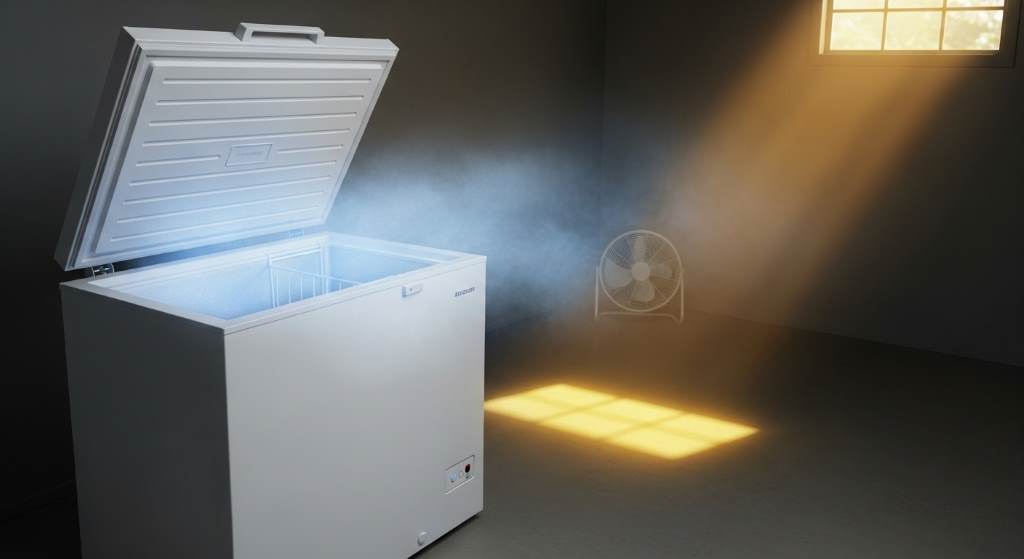
One uncommon yet real issue involves reflected heat. Many Miami homes feature concrete walls, metal doors, and sun-exposed surfaces. These materials absorb heat during the day and release it slowly afterward. As a result, nearby appliances operate in warmer conditions than expected.
A deep freezer placed beside a sunlit wall may experience constant thermal stress. Even when the room temperature appears acceptable, surrounding surfaces can radiate additional heat. Therefore, the compressor may run longer cycles. Few homeowners consider this factor during troubleshooting.
Using insulation panels or relocating the freezer away from heat-retaining surfaces can help. Likewise, improving room ventilation may reduce ambient temperatures. These adjustments often enhance efficiency without requiring major repairs. Small environmental changes sometimes produce surprising results.
How Poor Ventilation Contributes to Cold Air Loss
Deep freezers require adequate space around the exterior. Air must circulate freely around the condenser area. Otherwise, trapped heat accumulates near the appliance. This condition reduces cooling effectiveness and increases operating costs.
Many garages and storage rooms become crowded during summer. Boxes, tools, and household items may block airflow around the freezer. Consequently, heat removal becomes difficult. Maintaining manufacturer-recommended clearance distances supports optimal operation.
Signs Your Deep Freezer Is Struggling
- Ice cream becomes softer than usual.
- Frost develops excessively on interior walls.
- The compressor runs almost constantly.
- Water appears around the appliance.
- Frozen food develops ice crystals.
- Energy bills increase unexpectedly.
Recognizing these warning signs early can prevent expensive repairs. Many cooling issues worsen gradually over time. Therefore, quick action often protects both food quality and appliance lifespan. Regular monitoring helps identify problems before they become severe.
Practical Steps to Improve Freezer Performance During Summer
Keep the Freezer Full but Not Packed
A moderately full freezer retains cold temperatures more effectively. Frozen items help stabilize internal conditions when the door opens. However, excessive loading restricts airflow. Balance remains the key to efficient operation.
Check Temperature Settings
Many people accidentally change freezer settings during cleaning or organization. Verify that the temperature remains at the recommended level. Generally, 0°F provides safe food storage conditions. Consistent monitoring helps maintain food quality.
Inspect and Clean Seals
Door seals require regular attention during humid months. Dirt and moisture can affect sealing performance. Therefore, wipe the gasket with mild soap and water periodically. A clean seal reduces cold air leakage.
Reduce Frost Buildup
Excess frost acts as insulation around cooling components. Consequently, heat transfer becomes less efficient. Defrosting when necessary helps restore proper airflow. Many manual-defrost models benefit greatly from routine maintenance.
Interestingly, some homeowners become distracted by unrelated kitchen concerns such as how to fix split buttercream while preparing desserts and leave freezer doors open longer than intended. Small habits can affect cooling performance. Therefore, keeping freezer access organized during food preparation helps preserve cold air.
Food Storage Habits That Influence Cooling Efficiency
Storage methods affect more than organization. Poorly sealed containers release moisture into the freezer. This extra humidity contributes to frost formation and airflow problems. Therefore, airtight packaging plays an important role.
Labeling foods can also reduce door-open time. When people quickly find what they need, less warm air enters the compartment. Similarly, grouping similar items together improves efficiency. Organized storage supports consistent cooling.
Families storing prepared meals often wonder about how long do tamales remain safe before freezing. Planning food storage schedules reduces unnecessary freezer access. Consequently, the appliance maintains a more stable temperature. Better food management and appliance performance often go hand in hand.
When a Mechanical Problem Is the Real Cause
Not every cooling issue relates to weather conditions. Sometimes a faulty thermostat, fan motor, or compressor creates the problem. These components play critical roles in temperature regulation. Therefore, mechanical failures require professional evaluation.
Listen for unusual noises or inconsistent operating cycles. Clicking sounds, buzzing, or repeated shutdowns may indicate component issues. Furthermore, temperature fluctuations that persist after maintenance deserve attention. Professional diagnostics can identify the exact source of the problem.
Should You Move Your Deep Freezer During Summer?
In some situations, relocation provides a practical solution. Freezers placed in hot garages often struggle more than units inside air-conditioned spaces. Therefore, moving the appliance may improve efficiency immediately. The decision depends on available indoor space and electrical access.
Before relocating, measure the new area carefully. Ensure adequate ventilation and clearance around all sides. Additionally, avoid placing the freezer near ovens, dryers, or direct sunlight. A cooler environment supports stable performance throughout the season.
Preventive Maintenance Checklist for Miami Homeowners
- Clean condenser coils every few months.
- Inspect door seals regularly.
- Monitor freezer temperature weekly.
- Defrost when frost becomes excessive.
- Keep ventilation areas unobstructed.
- Limit unnecessary door openings.
- Check for water leaks and condensation.
- Store food in airtight containers.
Following this checklist helps reduce cooling problems during Miami’s hottest months. Consistent maintenance requires little time but delivers significant benefits. Moreover, preventive care extends appliance lifespan. A proactive approach usually costs less than major repairs.
Conclusion
Understanding why a deep freezer loses cold air during summer in Miami, FL starts with recognizing the effects of heat, humidity, airflow, and maintenance habits. Environmental conditions often create challenges that homeowners can address without replacing the appliance. However, mechanical failures may require professional assistance when simple fixes do not solve the problem. Regular inspections, proper storage practices, and adequate ventilation can dramatically improve freezer performance. If your freezer continues losing cold air despite these steps, contact a qualified appliance technician and address the issue before food spoilage or costly damage occurs.
FAQs
Why does my deep freezer struggle more during Miami summers?
High temperatures and humidity force the freezer to work harder to maintain safe internal temperatures.
How often should I clean condenser coils?
Most homeowners should clean condenser coils every three to six months.
Can humidity really affect freezer performance?
Yes, excess humidity increases frost buildup and reduces cooling efficiency.
Is it normal for the compressor to run longer during summer?
Yes, longer run times are common because the freezer must remove more heat.
When should I call a repair technician?
Call a technician if temperature problems continue after cleaning, maintenance, and seal inspections.







+ There are no comments
Add yours