







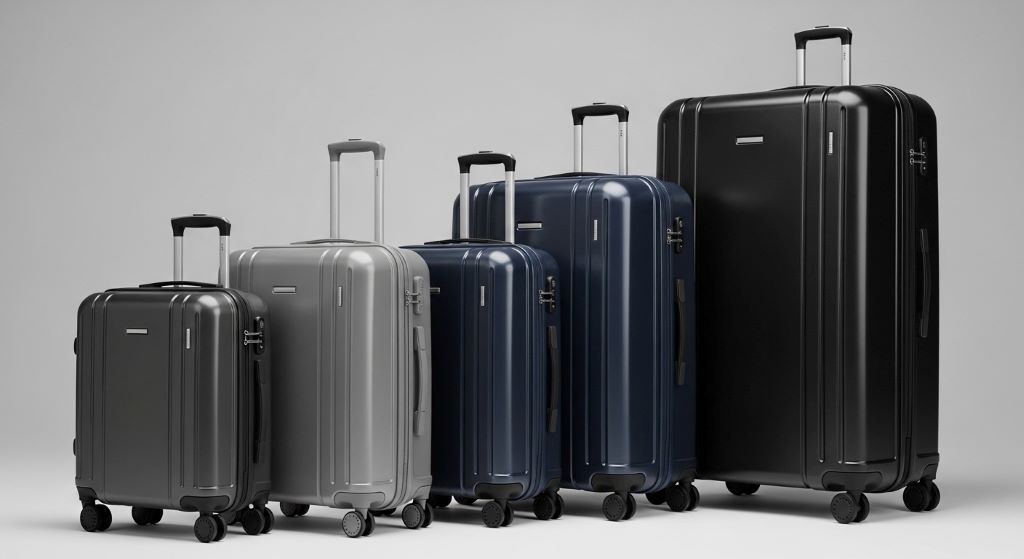
Selecting the perfect luggage can make or break your travel experience. Too large, and you’ll struggle with weight limits and storage. Too small, and you’ll face packing frustrations. This guide will help you navigate luggage dimensions and make informed decisions for every journey you take.
Understanding Basic Luggage Dimensions
Travel bags come in various sizes, each serving different purposes. Manufacturers measure luggage in linear inches, which means adding height, width, and depth together. However, airlines focus primarily on individual dimensions when determining what fits in overhead compartments.
Small bags typically measure around 18 to 22 inches tall. These work perfectly for short trips or weekend getaways. Medium options range from 23 to 26 inches and suit week-long vacations. Large suitcases extend from 27 to 32 inches, accommodating extended trips or situations requiring bulkier items.
Understanding these basic categories helps narrow your search. Moreover, knowing your typical travel patterns allows you to invest in bags that truly serve your needs.
Weekend Getaway Requirements
Short trips demand efficient packing strategies. A small bag measuring 20 to 22 inches usually provides adequate space for two to three days. This size holds several outfit changes, toiletries, and essential accessories without becoming cumbersome.
Additionally, weekend bags often fit airline size restrictions for cabin storage. You can breeze through airports without checking luggage, saving time and baggage fees. Furthermore, keeping belongings with you eliminates the risk of lost luggage during brief trips.
Consider your destination climate when selecting weekend luggage. Beach vacations require less bulk than winter ski trips. Therefore, assess whether you need space for heavy coats or just swimwear and casual clothing.
Week-Long Vacation Considerations
Seven-day trips require more strategic planning. Medium-sized luggage between 24 and 26 inches typically accommodates a week’s worth of clothing comfortably. This size strikes a balance between capacity and manageability.
However, packing efficiently becomes crucial at this stage. Rolling clothes instead of folding maximizes space. Packing cubes help organize items and compress soft goods. Additionally, wearing your bulkiest items during travel frees up valuable suitcase room.
Many travelers wonder about the carry on vs checked bag decision for week-long trips. The answer depends on several factors, including airline policies, personal preferences, and destination activities. Some people manage week-long trips with carry-ons alone, while others prefer checking bags to avoid restrictions.
Extended Travel and Long-Term Stays
Trips lasting two weeks or longer demand large luggage options. Suitcases measuring 28 to 32 inches provide substantial packing space. These accommodate multiple clothing options, shoes, toiletries, and specialty items like sports equipment or formal wear.
Nevertheless, larger bags come with challenges. Weight limits become a primary concern, as checked baggage fees increase with excess pounds. Therefore, choosing lightweight luggage construction helps maximize what you can pack without incurring additional costs.
Extended travelers should also consider their mobility needs. Large suitcases become difficult to navigate through crowded airports or narrow hotel hallways. Spinner wheels offer better maneuverability than traditional two-wheel designs, making transport easier despite increased size.
Decoding Airline Restrictions
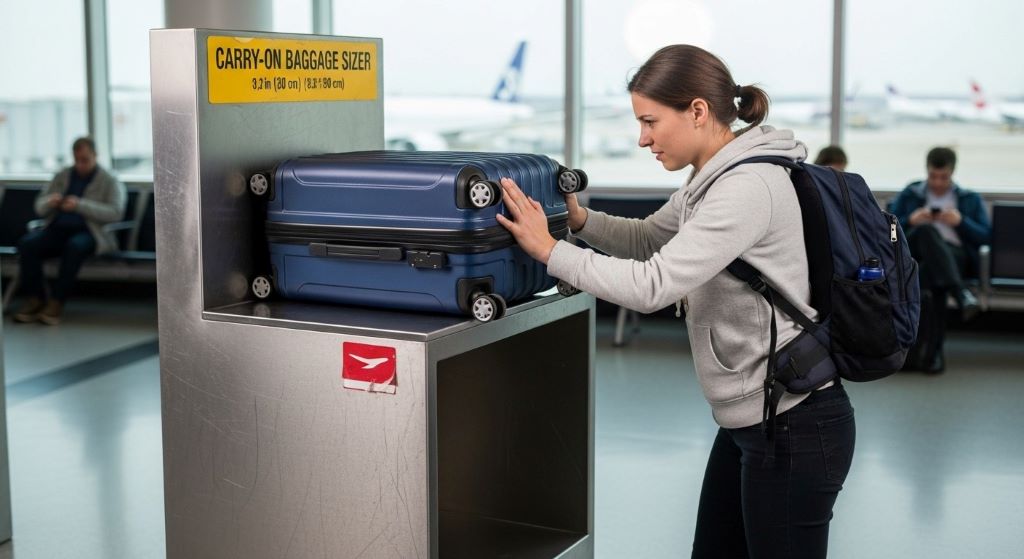
Every airline maintains specific rules about luggage dimensions and weight. Domestic carriers typically allow carry-on bags up to 22 inches tall, including wheels and handles. However, international airlines may have stricter or more lenient policies.
Checking your specific airline’s website before purchasing luggage prevents costly surprises. Some budget carriers charge for any checked luggage, making carry-on-only travel more economical. Conversely, premium tickets often include generous baggage allowances that justify investing in larger checked bags.
Weight restrictions vary significantly between carriers. Most domestic flights limit checked bags to 50 pounds, while international flights may allow 70 pounds or more. Therefore, understanding these differences helps you pack appropriately and avoid overweight fees.
Personal Item Allowances
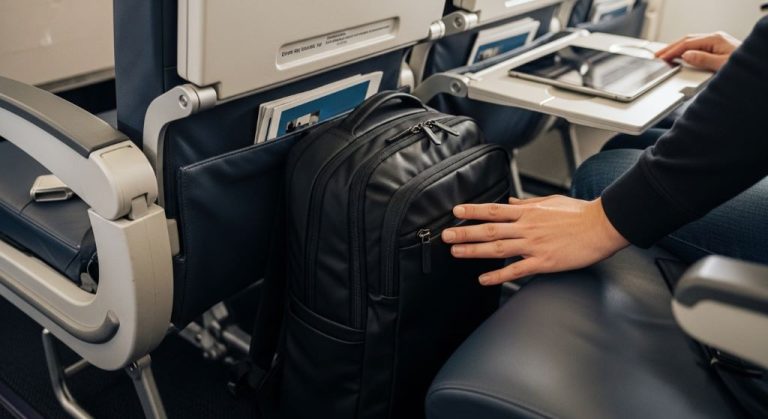
Airlines permit one personal item in addition to carry-on luggage. This includes purses, laptop bags, or small backpacks. Maximizing this allowance effectively increases your cabin storage without violating policies.
Personal items typically measure around 17 by 10 by 9 inches or smaller. These dimensions fit under the seat in front of you. Additionally, using this space strategically for essentials keeps important items easily accessible during flights.
Smart travelers pack valuables, medications, and travel documents in personal items. Furthermore, including a change of clothes protects against delays or lost checked luggage. This strategy provides peace of mind regardless of your main luggage choices.
Comparing Different Travel Scenarios
Business trips require different luggage than family vacations. Professional travelers often prefer sleek carry-ons with laptop compartments and wrinkle-resistant garment sections. Meanwhile, families need larger capacity to accommodate children’s belongings and entertainment items.
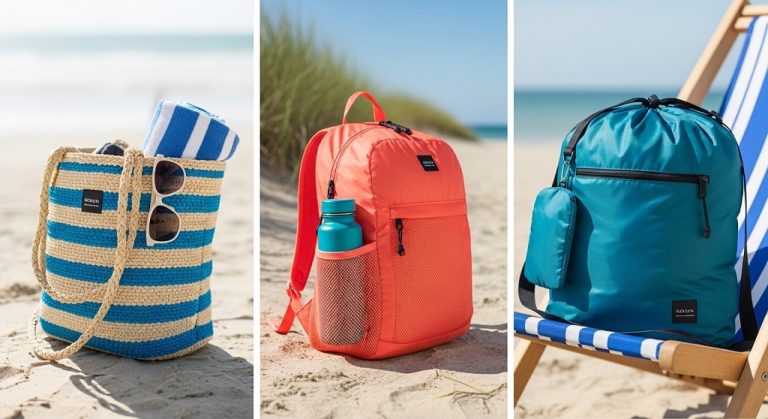
Adventure travel presents unique challenges. Hiking trips demand durable, weather-resistant bags with compression features. Beach vacations benefit from lightweight options that leave room for souvenirs. Therefore, matching luggage to trip type ensures you have appropriate storage.
Consider purchasing multiple sizes rather than relying on one bag for everything. A small carry-on handles business trips, while a larger checked bag serves family vacations. This approach provides flexibility and extends each bag’s lifespan through appropriate use.
Material and Construction Impact
Luggage material affects both size and weight. Hard-shell suitcases offer superior protection but weigh more than soft-sided alternatives. However, soft bags often include expandable zippers that increase capacity when needed.
Additionally, internal organization impacts usable space. Bags with multiple compartments help separate clean from dirty clothes and organize accessories. Compression straps prevent items from shifting during transport, maintaining organized packing throughout your trip.
Quality construction ensures luggage maintains its shape and protections over time. Reinforced corners, sturdy zippers, and durable wheels matter more than initial appearance. Therefore, investing in well-constructed bags saves money long-term through extended use.
Using a Luggage Size Chart Effectively
Reference charts simplify the selection process by comparing dimensions across brands. A luggage size chart typically categorizes bags as small, medium, large, or extra-large while showing exact measurements for each category.
These charts also indicate typical trip lengths each size accommodates. However, remember that packing habits vary between individuals. Someone who packs light might use a medium bag for two weeks, while another person needs a large bag for one week.
Furthermore, charts often include airline compatibility information. This feature helps identify which sizes qualify as carry-ons versus checked bags across different carriers. Therefore, consulting comprehensive charts before purchasing prevents sizing mistakes.
Special Considerations for Different Travelers
Families with young children need extra capacity for diapers, toys, and child-specific items. Parents often find that each family member needs their own bag, even for short trips. Additionally, strollers and car seats count toward baggage allowances on some airlines.
Solo travelers enjoy more flexibility with luggage choices. Minimalist packing techniques allow extended trips with surprisingly small bags. However, those who prefer outfit variety or need professional attire require larger capacity regardless of travel duration.
Elderly or mobility-impaired travelers should prioritize lightweight bags with excellent wheel systems. Weight matters more than capacity when physical limitations affect luggage handling. Therefore, selecting ergonomic designs with telescoping handles ensures comfortable travel experiences.
Investment Versus Budget Options
Premium luggage costs more initially but often provides better value over time. High-quality bags withstand years of travel abuse while maintaining functionality. Additionally, many premium brands offer warranties covering repairs or replacements.
Budget options serve occasional travelers well. Someone taking one trip yearly doesn’t need the same durability as frequent flyers. However, extremely cheap luggage may fail during trips, creating stressful situations far from home.
Consider cost per use when evaluating luggage investments. A $300 bag used fifty times costs $6 per trip, while a $50 bag lasting five trips costs $10 per trip. Therefore, frequent travelers benefit from choosing quality over initial savings.
Packing Techniques That Maximize Space
Efficient packing transforms luggage capacity. Rolling clothes tightly creates more space than folding. Packing cubes compress soft items while maintaining organization. Additionally, filling shoes with socks or small items eliminates wasted space.
Wearing bulky items during travel reduces luggage requirements significantly. Boots, heavy jackets, and thick sweaters take substantial suitcase room. However, wearing them keeps you comfortable during flights while freeing space for other belongings.
Planning outfits around versatile pieces minimizes clothing needs. Items that coordinate multiple ways reduce the total pieces required. Furthermore, choosing quick-dry fabrics enables washing during trips, extending each item’s usefulness.
Making Your Final Decision
Choosing luggage involves balancing numerous factors. Trip frequency, typical destinations, airline preferences, and personal packing style all influence the ideal choice. Therefore, reflecting on your specific travel patterns guides better decisions than following generic recommendations.
Most travelers benefit from owning multiple bag sizes. A carry-on handles short trips and serves as a personal item on longer journeys. A medium checked bag accommodates most vacations. Together, these options cover the majority of travel scenarios.
Test luggage in stores when possible. Pull handles to check comfort. Roll bags across different surfaces. Inspect zippers and closures for smooth operation. Additionally, verify that empty weight allows adequate packing capacity within airline limits.
Conclusion
Selecting appropriate luggage sizes enhances every aspect of travel. Understanding dimensions, airline policies, and personal needs creates a framework for smart decisions. Whether you choose the carry on vs checked bag approach or invest in multiple sizes, matching luggage to trip requirements reduces stress and improves experiences.
Remember that the perfect luggage balances capacity, weight, durability, and cost. Consulting a luggage size chart provides objective comparisons across brands and styles. However, your individual travel patterns ultimately determine which sizes serve you best.
Invest time researching options before purchasing. Quality luggage represents a significant expense, but appropriate choices reward you with years of reliable service. Moreover, traveling with properly sized bags transforms journeys from stressful ordeals into smooth adventures.
Frequently Asked Questions
What size luggage can I carry on most airlines?
Most airlines allow carry-on bags measuring 22 x 14 x 9 inches, including wheels and handles. However, budget carriers sometimes enforce stricter limits. Always check your specific airline’s requirements before traveling to avoid gate-checking fees.
How many days of clothing fit in a 24-inch suitcase?
A 24-inch suitcase typically holds five to seven days of clothing for one person. This varies based on packing efficiency, clothing types, and whether you plan to do laundry during your trip. Using packing cubes helps maximize this capacity.
Should I buy hard-shell or soft-sided luggage?
Hard-shell luggage protects fragile items better and resists water, while soft-sided bags weigh less and often include exterior pockets. Choose hard-shell for international trips with valuables or soft-sided for domestic travel requiring lighter weight and flexibility.
Do checked bags have to meet size requirements?
Yes, airlines limit checked luggage to 62 linear inches typically. Bags exceeding this dimension incur oversized baggage fees. Additionally, weight limits of 50 pounds apply to standard checked bags, with heavier luggage costing extra.
Can I use a 28-inch bag as a carry-on?
No, 28-inch bags exceed carry-on size restrictions for all commercial airlines. These large suitcases must be checked. Attempting to bring oversized luggage to the gate results in forced checking and potential fees.
Related Topics:
8 Things Never to Carry for Foreign Trips
Turn Travel Troubles into Triumphs: Essential Solutions for Every Trip








+ There are no comments
Add yours