





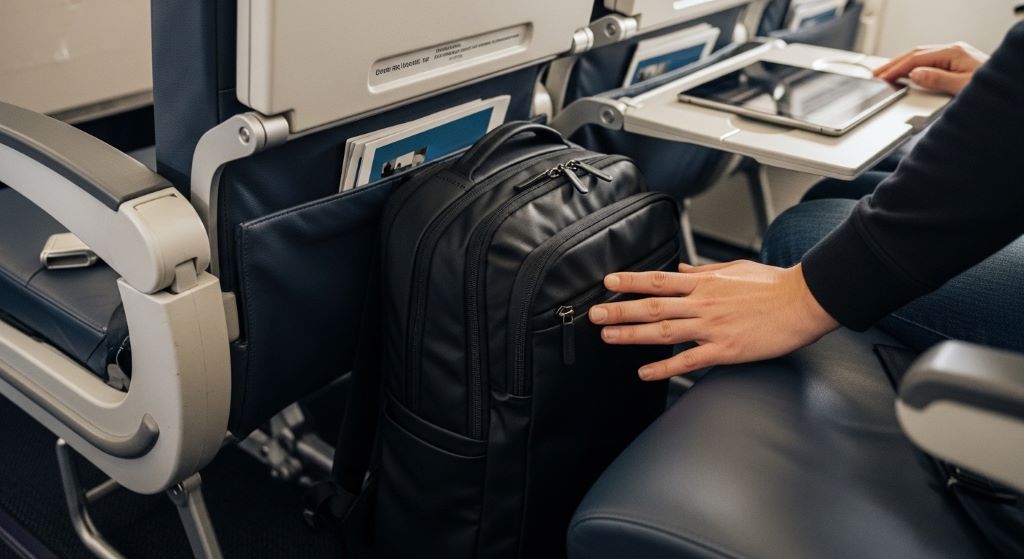
Traveling by air can be stressful enough without worrying about your bag. One of the most common headaches passengers face is finding that their bag does not fit under the seat in front of them. This forces them to use the overhead bin, slow down boarding, or even check the bag at the gate. None of those options are fun.
The solution is simple in theory: bring a bag that actually fits. However, with so many options on the market, knowing which one to choose can feel overwhelming. This guide breaks it down clearly. By the end, you will know exactly what to look for, what to avoid, and how to travel lighter and smarter on every flight.
Why the Under-Seat Space Matters More Than You Think
The under-seat space on most commercial aircraft is limited. It varies by airline and aircraft type, but it is typically around 18 to 20 inches wide, 10 to 11 inches tall, and 9 to 10 inches deep. These dimensions leave very little room for error.
Keeping your bag under the seat has real advantages. You have instant access to your belongings throughout the flight. You do not need to wait for other passengers to move during deplaning. Additionally, you avoid the risk of your bag being moved or mishandled in the overhead compartment.
Therefore, choosing a bag specifically designed for under-seat storage is one of the smartest travel decisions you can make. It saves time, reduces stress, and keeps your essentials within arm’s reach.
Understanding Airline Under-Seat Size Rules
Different airlines have slightly different rules about personal item size. Most US carriers allow a personal item measuring roughly 18 x 14 x 8 inches. European budget carriers tend to be stricter. Therefore, it always pays to check your specific airline’s policy before you travel.
That said, there is a general sweet spot that works across most airlines. A bag measuring around 18 x 11 x 8 inches will fit under the seat on the vast majority of commercial flights. Some passengers go slightly larger, but that becomes a gamble depending on the aircraft and how full the flight is.
Additionally, keep in mind that the seat in front of you may have structural supports underneath it. These can reduce the usable space on window and middle seats. Aisle seats often have a bit more room, so this is worth considering when you choose your seat assignment.
What Makes a Bag Truly Fit-Friendly
Not all bags are created equal when it comes to fitting under a seat. Several design features determine whether a bag will slide in smoothly or get stuck halfway.
Soft-Sided vs. Hard-Sided Construction
Soft-sided bags are almost always better for under-seat storage. They compress and conform slightly to the available space. A hard-sided bag has a fixed shape. If it is even a centimeter too tall, it simply will not fit. Therefore, opt for bags made from flexible materials like nylon or polyester.
Shape and Structure
A compact travel bag with a low-profile, rectangular shape tends to fit best. Bags that are square or very boxy can be awkward to slide into the narrow space under the seat. A bag that is wider and flatter slides in much more easily than one that is tall and narrow.
Additionally, avoid bags with large external pockets or attachments that stick out. These add bulk and can prevent the bag from sitting flat. Internal organization is far more practical for under-seat travel.
Compression and Collapsibility
Some bags feature compression straps that let you reduce the overall size when the bag is not fully packed. This is an extremely useful feature. A half-full bag with compression straps will take up far less space than one without them. Look for side compression straps as a standard feature on any under-seat bag you consider.
How to Choose the Right Size for Your Needs
Size is the most critical factor, but the right size depends on how you travel. Think about what you typically carry on a flight.
For a day trip or short business flight, a 20-liter bag is usually more than enough. It holds a laptop, a change of clothes, toiletries, and a few accessories. For a weekend trip where you want to avoid checking luggage entirely, a 25 to 30-liter bag may work better. However, at this volume, you are approaching the upper limit for comfortable under-seat storage.
Therefore, assess your packing habits honestly before choosing a size. If you tend to overpack, a smaller bag will actually help you by forcing you to be more selective. Traveling lighter is almost always a better experience.
Essential Features to Look for in an Under-Seat Backpack
Beyond size, the right features make a significant difference in how useful and comfortable your bag is during travel. Here is what to prioritize:
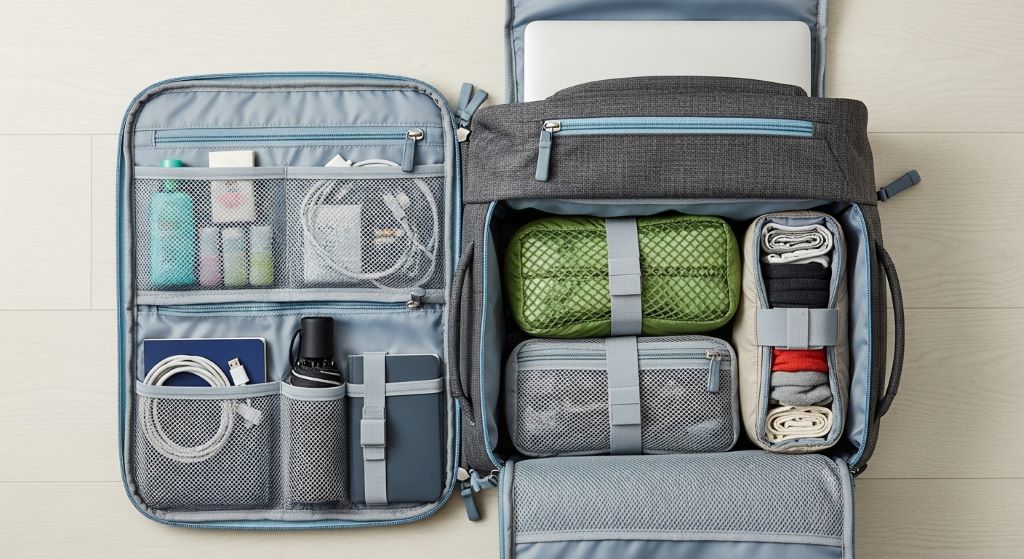
- A padded laptop sleeve that holds up to a 15-inch device. This protects your tech and helps the bag maintain structure.
- A front quick-access pocket for your passport, boarding pass, and phone. You will thank yourself at security.
- A luggage pass-through sleeve on the back panel. This lets you slide the bag over a rolling suitcase handle for easy navigation through airports.
- Comfortable, padded shoulder straps. Even for short walks through terminals, comfort matters when you are rushing.
- A water bottle pocket on the side. Staying hydrated on flights is important, and having easy access to your bottle makes it effortless.
- A TSA-friendly layout with a lay-flat or clamshell opening for laptop removal at security checkpoints.
Additionally, look for a bag with a hidden or lockable zipper on the main compartment. Pickpocketing is a real concern in busy airports, and a secure closure adds peace of mind.
Materials That Hold Up to Frequent Travel
A travel bag goes through a lot of abuse. It gets shoved under seats, placed on dirty floors, and occasionally caught in the rain between the terminal and the plane. Therefore, materials matter.
High-denier nylon is one of the best options. It is lightweight, strong, and resists tearing. A 420D or 600D nylon bag will hold up well through years of regular travel. Ripstop nylon is another excellent choice, offering extra resistance to punctures and tears.
Additionally, look for a bag with a durable water-resistant coating. This does not mean it is fully waterproof, but it protects your belongings from light rain and spills. YKK zippers are widely considered the gold standard for durability. Many budget bags cut corners here, so it is worth checking before you buy.
The Best Way to Pack an Under-Seat Bag
Even the perfect bag can fail to fit under the seat if it is packed poorly. How you pack is just as important as what you pack.
Start with your heaviest and flattest items at the back of the bag, closest to your spine. This keeps the weight balanced and maintains the bag’s slim profile. Soft items like clothing should fill in the middle and around the sides. Place the things you need during the flight, like headphones, a book, or a snack, in the front pocket.
Roll your clothing instead of folding it. Rolling reduces volume and minimizes wrinkles. Use packing cubes to compress clothing even further. A small carry on backpack packed with cubes will almost always fit more than one packed without them.
Finally, avoid overfilling. If you have to force the zipper closed, the bag is too full. An overstuffed bag loses its flexibility and will not compress to fit under the seat.
Top Mistakes to Avoid When Choosing a Travel Backpack
Many travelers make the same avoidable mistakes when buying a bag for air travel. Knowing these pitfalls in advance will save you frustration and money.
The first mistake is focusing only on style. A bag that looks great but has no functional organization will drive you crazy at the airport. Prioritize function first and aesthetics second.
The second mistake is buying a bag that is just barely within the size limit. Dimensions listed by manufacturers are often measured without anything inside the bag. Once packed, a bag can expand noticeably. Therefore, always choose a bag with a little room to spare rather than one that is right at the maximum.
The third mistake is ignoring the weight of the bag itself. Some travel backpacks are surprisingly heavy even when empty. This is especially problematic on budget airlines that weigh your personal item. A lightweight bag leaves more of your weight allowance for your actual belongings.
Additionally, do not overlook ergonomics. If a bag is uncomfortable to carry, no amount of organization features will make up for it. Always check whether the shoulder straps and back panel are padded.
How to Test a Bag Before Your Flight
If you are buying in a store, you can test the bag before you commit. Ask a staff member if you can fill it and simulate packing. Walk around the store with it on to check the comfort of the straps.
If you are buying online, which is often where the best prices are found, look for bags with generous return windows. Pack the bag fully with your typical travel items and measure it. Compare those real-world measurements to your airline’s personal item limit.
Additionally, check whether the manufacturer lists the dimensions as interior or exterior measurements. Interior dimensions are more relevant for fitting under a seat. However, most manufacturers list exterior dimensions, so be sure to account for any additional bulk from padding or structural elements.
Reading verified customer reviews is one of the best research methods. Look specifically for feedback from travelers who have used the bag on flights. Their real-world experience is more valuable than any product description.
Recommended Bag Styles That Work Well Under Seats
Certain bag styles consistently perform well as under-seat options. Knowing which styles to look for will simplify your shopping.
Slim daypack-style backpacks are a top choice. They are designed to be lightweight and low-profile. Many are specifically marketed as personal item bags, which means the manufacturer has already kept dimensions within airline guidelines.
Sling bags and crossbody bags also work well under seats. They tend to be even smaller, which makes them ideal for very short flights where you only need the basics. However, they offer less organization than a traditional backpack.
Convertible bags that function as both a backpack and a tote are another strong option. They offer flexibility for different types of travel days. One day you wear it as a backpack through the terminal; the next you carry it as a tote during city exploration.
Conclusion
Finding a backpack that fits under an airplane seat is not complicated once you know what to look for. Start with the right dimensions. Choose soft-sided construction and a flat, flexible profile. Look for essential travel features like a laptop sleeve, quick-access pockets, and compression straps.
Pack strategically using rolls, cubes, and thoughtful layering. Avoid overfilling and stay well within airline size limits. Additionally, invest in quality materials that will hold up through years of use.
The right bag will transform how you travel. It means no checked luggage fees, no waiting at baggage claim, and no worrying about overhead bin space. With so many excellent options available today at every price point, there is no reason to settle for a bag that does not work for you. Travel smarter, pack lighter, and enjoy every journey.
Frequently Asked Questions
1. What is the standard under-seat dimension I should plan for?
Most commercial aircraft offer under-seat space of approximately 18 x 11 x 8 inches. However, this varies by aircraft type and airline. Always check the specific airline’s personal item dimensions before your trip. Staying at or below 18 x 11 x 8 inches works across the majority of carriers and aircraft.
2. Is a backpack or a tote bag better for under-seat storage?
Both can work well, but it depends on your needs. A backpack distributes weight more evenly and is better for longer walks through large airports. A tote or soft-sided bag compresses more easily and can be pushed into irregularly shaped spaces. If you frequently travel through large airports or walk significant distances, a backpack is the better choice.
3. Can I bring both an under-seat bag and a carry-on?
Yes, most airlines allow one carry-on bag and one personal item per passenger. Your carry-on goes in the overhead bin, while your personal item, such as a compact travel bag or backpack, goes under the seat. However, budget airlines sometimes allow only one personal item, so always verify your airline’s baggage policy before you fly.
4. How much can I realistically fit in a bag sized for under-seat storage?
In a well-organized 20-liter bag, you can comfortably fit a laptop, a change of clothes, toiletries, a phone charger, earphones, a water bottle, snacks, and your travel documents. Using packing cubes and rolling your clothing maximizes the available space considerably. Many travelers use bags this size for trips of two to three days by packing efficiently.
5. Are anti-theft features worth looking for in a travel backpack?
Yes, especially if you travel to busy international airports or tourist-heavy destinations. Features like hidden zippers, slash-resistant fabric, and lockable compartments add meaningful security without much added weight. A small carry on backpack with basic anti-theft features gives you confidence in crowded environments and lets you focus on enjoying your trip rather than watching your bag.
Related Topics:
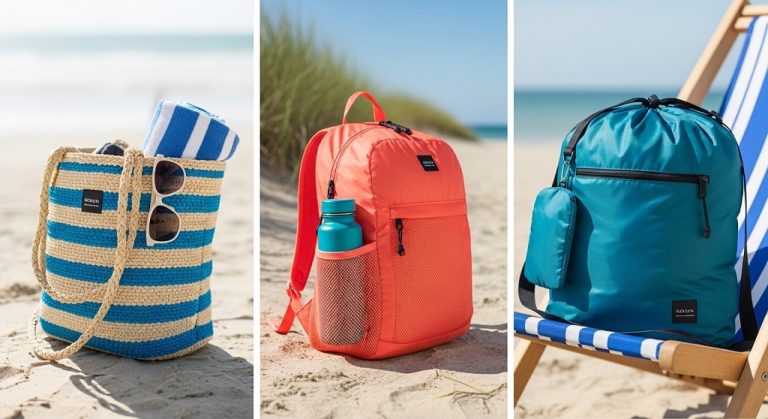
How to Select Lightweight Beach Bags for Easy Travel






+ There are no comments
Add yours