

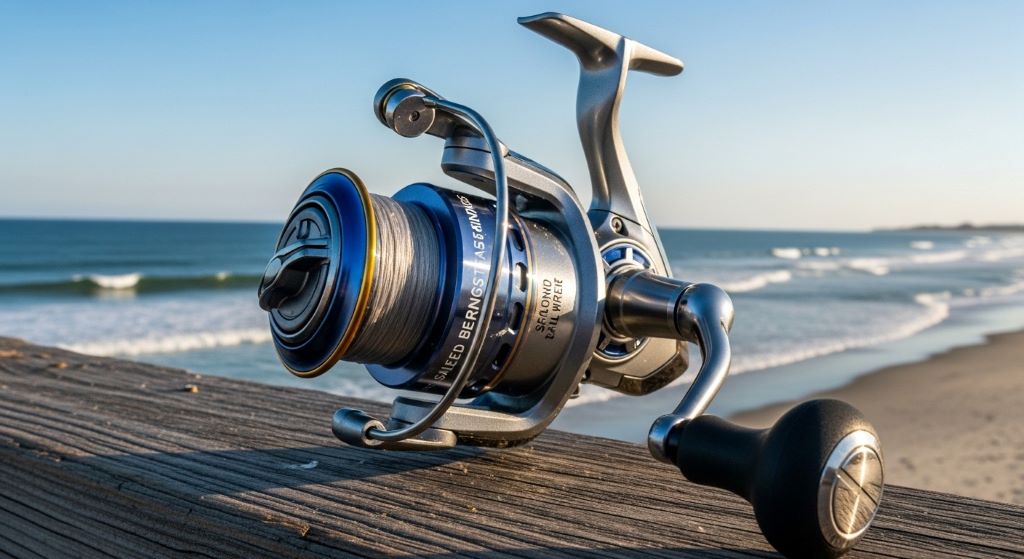
Surf fishing offers an incredible way to connect with nature while pursuing various fish species from the shoreline. However, getting started can seem expensive, especially when browsing through high-end tackle shops. The good news is that you don’t need to spend a fortune to enjoy this rewarding hobby. Finding quality affordable saltwater reels is entirely possible when you know what to look for.
Many anglers assume that cheaper reels will fail quickly or perform poorly. While this can be true for the absolute lowest-priced options, plenty of budget-friendly reels deliver excellent performance. The key lies in understanding which features matter most and where manufacturers cut costs without sacrificing reliability.
This guide will help you navigate the world of budget fishing equipment. You’ll learn how to identify quality construction, avoid common pitfalls, and make informed decisions that keep your wallet happy without compromising your fishing success.
Understanding What Makes Surf Reels Different
Before diving into budget options, it’s important to understand what sets surf fishing reels apart from freshwater or light saltwater models. Surf conditions create unique challenges that your equipment must handle.
Salt water is incredibly corrosive. Every time you cast into the ocean, your reel gets exposed to salt spray and moisture. Even reels marketed as saltwater-ready vary significantly in their corrosion resistance. Understanding this helps you prioritize features that truly matter.
Surf fishing often involves long casts to reach fish beyond the breaking waves. This means your reel needs sufficient line capacity and a smooth drag system. You’ll frequently cast heavy weights and fight strong fish in powerful currents.
Sand is another major concern. Beach environments mean sand gets everywhere, including inside your reel if the seals aren’t adequate. However, sealed reels typically cost more, so budget options require extra care and maintenance.
Key Features That Actually Matter
When shopping for an entry level surf reel, focus on features that directly impact performance and longevity. Not every feature marketed on expensive reels makes a practical difference for most anglers.
The drag system deserves your primary attention. A smooth, reliable drag prevents line breaks when fighting fish. Even budget reels can have decent drag systems. Test the drag by pulling line off the reel. It should release smoothly without jerking or sticking.
Line capacity is crucial for surf fishing. You need enough line to make long casts and handle runs from strong fish. Most surf fishing situations require reels that hold at least 200 yards of 15 to 20-pound test line. Check the reel’s specifications carefully before buying.
Corrosion-resistant materials make a huge difference in longevity. Look for reels with stainless steel or titanium components in critical areas like the bail wire and roller. Aluminum spools are better than graphite for saltwater use because they’re more durable and resist corrosion better.
Sealed or shielded bearings protect against sand and salt intrusion. While fully sealed bearings cost more, even basic shielding helps. Budget reels often have fewer bearings than premium models, but bearing count matters less than bearing quality.
The gear ratio affects retrieval speed. For surf fishing, ratios between 4.5:1 and 6.2:1 work well for most situations. Higher ratios retrieve line faster but provide less cranking power. Lower ratios give more power for fighting big fish.
Where Manufacturers Save Money
Understanding where budget reels cut costs helps you make informed decisions. Not all cost-cutting measures impact performance equally.
Many affordable options use composite or graphite bodies instead of machined aluminum. Graphite is lighter and resistant to corrosion, making it actually advantageous for saltwater use. However, it’s less durable if you drop your reel or subject it to hard impacts.
Budget reels typically have fewer ball bearings than premium models. While bearing count is often advertised prominently, having four quality bearings beats having ten poor-quality ones. Focus on smoothness rather than numbers.
Handle materials often differ between price points. Expensive reels might have carbon fiber or EVA foam handles, while budget options use basic rubber or plastic. This cosmetic difference rarely affects functionality.
Lower-priced reels may lack sophisticated drag systems like those found in high-end models. However, basic drag washers made from carbon fiber or felt work perfectly fine for most surf fishing situations.
The finish quality varies considerably. Budget reels might have minor cosmetic imperfections or less refined paint jobs. These aesthetic differences don’t affect performance but keep costs down.
Setting Your Budget Realistically
Determining how much to spend depends on several factors. Establishing a clear budget before shopping prevents impulse purchases and keeps you focused on value.
For occasional surf fishermen, spending between 40 and 80 dollars on a reel makes perfect sense. This price range offers numerous reliable options that will last several seasons with proper care. You’ll find plenty of capable reels that handle regular saltwater exposure without falling apart.
More frequent anglers might consider stretching their budget to the 80 to 120 dollar range. This sweet spot offers significantly better corrosion resistance, smoother drags, and improved durability. The extra investment pays off through longer service life and better performance.
Remember that you’ll need multiple reels if you fish regularly. Rather than buying one expensive reel, consider purchasing two or three budget-friendly options. This approach lets you have backup equipment and different setups for various fishing situations.
Factor in maintenance costs when budgeting. Even the best reels need occasional servicing. Budget reels might require more frequent cleaning and lubrication, but these tasks are simple and inexpensive to perform yourself.
Research Before You Buy
Smart shopping starts with thorough research. The internet provides incredible resources for evaluating reels before spending money.
Online reviews from actual users provide valuable insights. Look for reviews from people who’ve used the reel in saltwater conditions specifically. Pay attention to common complaints or recurring issues mentioned across multiple reviews.
Video reviews on platforms like YouTube let you see reels in action. Watch how smoothly the bail operates, listen for grinding sounds, and observe the drag performance. Seeing equipment in use reveals details that product descriptions miss.
Fishing forums and social media groups offer honest opinions from experienced anglers. Don’t hesitate to ask questions about specific models. Most fishing communities are welcoming and happy to share their experiences.
Compare specifications across multiple brands and models in your price range. Create a simple spreadsheet listing key features like line capacity, gear ratio, bearing count, and weight. This visual comparison makes identifying the best value easier.
Best Times to Find Deals
Timing your purchase strategically can save significant money without sacrificing quality. Retailers follow predictable patterns for sales and discounts.
End-of-season sales offer excellent opportunities. Late fall and winter bring discounts as shops clear inventory before spring. You’ll find last year’s models at reduced prices even though they’re functionally identical to newer versions.
Holiday sales events provide another window for deals. Black Friday, Cyber Monday, and pre-Christmas sales often include fishing equipment. Additionally, many retailers offer spring sales before the fishing season kicks into high gear.
Watch for manufacturer rebates and promotions. Companies periodically offer mail-in rebates or bundle deals that effectively reduce the price. Sign up for newsletters from fishing retailers to get notified about these opportunities.
Consider buying previous generation models when new versions release. Manufacturers update their lineups regularly, but changes between generations are often minimal. Last year’s model typically performs just as well while costing considerably less.
Clearance sections both online and in physical stores hide gems. Discontinued colors or packaging updates lead to markdowns on perfectly good equipment. Check these sections regularly for unexpected deals.
Evaluating Reels in Person
Whenever possible, examine reels physically before buying. Hands-on evaluation reveals quality issues that specifications and photos cannot show.
Turn the handle to feel the retrieve smoothness. Quality reels feel consistent throughout the rotation without wobbling or grinding. Any resistance or rough spots indicate poor construction or inadequate lubrication.
Test the drag system by pulling line off the spool. The resistance should increase smoothly as you adjust the drag knob. Listen for clicking sounds, which indicate a decent drag mechanism rather than simple friction washers.
Check the bail operation by opening and closing it several times. The bail should snap open crisply and close reliably. Weak springs or loose components suggest poor quality control.
Examine the fit and finish closely. Look for gaps between components, rough edges, or misaligned parts. While budget reels won’t have perfect finishes, obvious defects indicate manufacturing problems.
Hold the reel to assess weight and balance. The reel should feel solid without being unnecessarily heavy. Excessive weight often comes from cheap materials rather than robust construction.
Maintaining Your Investment
Proper maintenance dramatically extends the life of budget reels. Since you’re saving money on the initial purchase, investing time in care makes perfect sense.
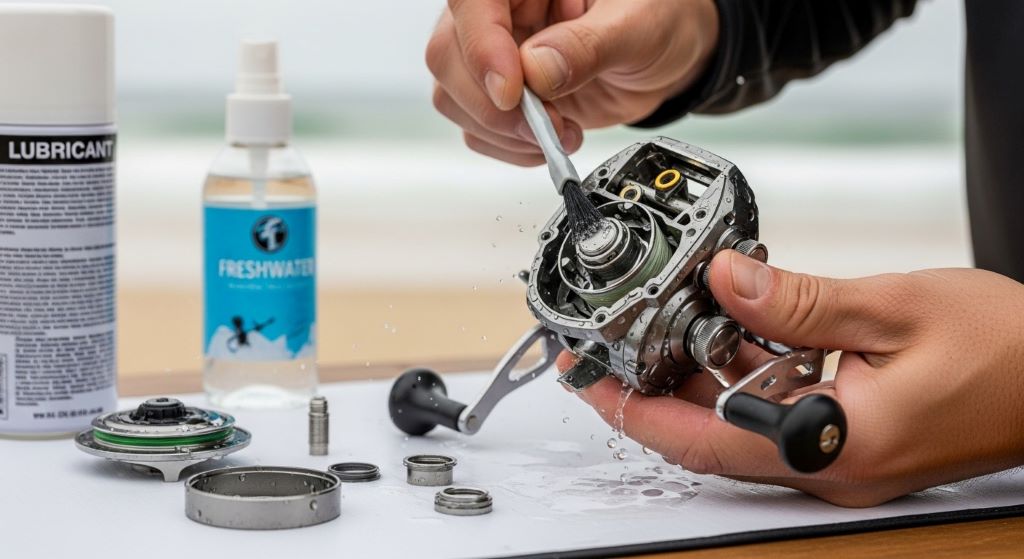
Rinse your reel with fresh water after every saltwater trip. Don’t use a high-pressure stream, which can force water into sealed areas. Instead, use a gentle flow or spray bottle to remove salt residue.
Allow the reel to dry completely before storing it. Leave the bail open and store the reel in a dry location. Moisture trapped inside causes corrosion even in quality components.
Lubricate moving parts regularly following the manufacturer’s recommendations. Use oils and greases specifically designed for fishing reels. Automotive lubricants often attract dirt or break down in salt water.
Inspect your line frequently and replace it as needed. Old line becomes brittle and weak, leading to lost fish and gear. Budget-friendly reels deserve quality line to perform their best.
Periodically disassemble and clean your reel according to the manual. This might seem intimidating initially, but it’s straightforward with basic tools. Numerous online tutorials walk through the process step by step.
Store reels loosely spooled with slight drag tension. This prevents the drag washers from taking a permanent set, which reduces effectiveness. Additionally, loose line prevents memory coils.
Red Flags to Avoid
Not all budget reels offer good value. Learning to spot warning signs protects you from wasting money on poor-quality equipment.
Extremely cheap prices often indicate inferior materials or construction. If a reel costs significantly less than competitors with similar specifications, there’s usually a reason. Rock-bottom prices rarely deliver acceptable quality.
Unknown brands without any reputation should raise concerns. While new companies occasionally produce excellent products, established manufacturers have proven track records. Stick with recognized names when buying budget equipment.
Missing or vague specifications suggest the manufacturer has something to hide. Reputable companies provide detailed information about materials, bearings, and capacity. Incomplete product descriptions indicate questionable quality.
Excessive plastic components in critical areas compromise durability. While some plastic parts are acceptable, avoid reels with plastic bail wires, bail arm springs, or drag knobs. These components need to be metal.
Poor customer reviews mentioning the same issues repeatedly should stop you from buying. One negative review might reflect a defective unit, but patterns indicate systemic problems.
Retailers with questionable return policies create risk. Buy from shops that allow returns or exchanges if you’re not satisfied. This protection becomes important if the reel doesn’t meet expectations.
Building Your Surf Fishing Arsenal
Once you’ve found a quality budget reel, consider how it fits into your overall fishing setup. Building a complete arsenal doesn’t require massive spending.
Match your reel to an appropriate rod. Budget-friendly surf rods in the 9 to 12-foot range pair perfectly with entry level surf reels. Proper balance between rod and reel improves casting distance and reduces fatigue.
Invest in quality line even if your reel is budget-priced. Good monofilament or braided line costs relatively little but dramatically improves performance. The right line handles abrasion better and casts farther.
Start with one versatile setup rather than multiple specialized outfits. A medium-heavy rod with a reel in the 4000 to 6000 size range handles most surf fishing situations. Add specialized equipment as your skills and needs develop.
Learn proper casting techniques to maximize your equipment’s potential. Even the best reel won’t perform well with poor casting mechanics. Practice makes huge differences in distance and accuracy.
Join local fishing clubs or online communities to learn from experienced anglers. They’ll share tips about tackle, techniques, and local conditions. This knowledge helps you make better equipment decisions over time.
When to Upgrade
Understanding when to stick with budget equipment versus upgrading helps you allocate resources effectively. Not everyone needs premium gear.
Casual anglers who fish occasionally should stick with affordable saltwater reels indefinitely. If your reel lasts multiple seasons and catches fish reliably, there’s no reason to upgrade. Spending more won’t necessarily catch more fish.
However, dedicated surf fishermen who spend significant time on the beach might eventually want better equipment. Premium reels offer smoother drags, better sealing, and longer service life between maintenance intervals.
Upgrade when your current reel shows wear or no longer meets your needs. If you’re fighting the drag system or experiencing frequent malfunctions, it’s time for something better. Additionally, if you’re targeting larger species, you might need more robust equipment.
Consider upgrading gradually by adding one quality reel while keeping budget options as backups. This approach spreads costs while improving your primary setup.
Remember that skill matters more than equipment within reason. A knowledgeable angler with a basic reel will consistently outfish someone with premium gear but limited experience. Focus on improving your fishing skills rather than constantly upgrading equipment.
Maximizing Performance from Budget Equipment
Getting the most from affordable reels requires understanding their limitations and working within them. Several simple practices boost performance significantly.
Adjust your drag properly before fishing. Set it to roughly one-third of your line’s breaking strength. This prevents break-offs while giving fish enough resistance to tire quickly.
Make smooth, controlled casts rather than trying to maximize distance through raw power. Proper technique achieves longer casts with less stress on equipment. Additionally, smooth casts reduce wind knots and tangles.
Fight fish using your rod rather than the reel. Keep steady pressure with the rod while reeling only when gaining line. This technique reduces stress on the drag system and gear mechanism.
Clean your reel after every trip without exception. This simple habit prevents most problems that plague budget equipment. Salt crystals left inside mechanisms cause grinding and corrosion.
Replace worn components promptly rather than waiting for complete failure. Bail springs, drag washers, and bearings are inexpensive to replace and readily available for popular reel models.
Conclusion
Finding quality budget surf fishing reels requires research, patience, and realistic expectations. However, it’s entirely achievable for anglers at any experience level. By focusing on essential features like drag smoothness, corrosion resistance, and appropriate line capacity, you can identify excellent value in the 40 to 120 dollar price range.
Remember that proper maintenance significantly extends the life of affordable equipment. Rinsing after use, regular lubrication, and careful storage transform budget reels into reliable fishing companions for years. Additionally, buying during sales periods and choosing previous generation models stretches your budget further without sacrificing quality.
Avoid the cheapest options while staying skeptical of unnecessary features that inflate prices. The sweet spot for entry level surf reels balances adequate construction quality with reasonable pricing. Most importantly, recognize that fishing success depends more on skill, knowledge, and technique than equipment cost.
Start with one versatile setup that handles common surf fishing situations. As your experience grows and needs become clearer, you can add specialized equipment. This measured approach prevents wasted money on gear that doesn’t match your fishing style. With smart shopping and proper care, budget-friendly surf fishing reels deliver years of reliable service and countless memorable catches.
Frequently Asked Questions
How long should a budget surf fishing reel last with proper care?
With consistent maintenance including rinsing after each use and annual servicing, a quality budget reel should last three to five years of regular use. Anglers who fish occasionally might get even longer service life. Proper care matters more than initial price in determining longevity. Replace your reel when the drag becomes unreliable or internal components show significant wear.
Can I use freshwater reels for surf fishing?
While technically possible for brief periods, freshwater reels aren’t designed for saltwater environments. They lack adequate corrosion protection and will deteriorate rapidly. Even one saltwater trip without thorough cleaning can cause damage. Instead, purchase reels specifically designed for saltwater use, which offer much better value long-term despite slightly higher initial costs.
What size reel do I need for surf fishing?
Most surf fishing situations call for reels in the 4000 to 8000 size range. Smaller species and calmer waters work fine with 4000 to 5000 sizes, while larger fish and rough conditions benefit from 6000 to 8000 sizes. Check the reel’s line capacity specifications to ensure it holds at least 200 yards of your preferred line weight.
Should I choose spinning or conventional reels for surf fishing on a budget?
Spinning reels offer better value for beginners due to their versatility and ease of use. They’re less expensive than conventional reels at similar quality levels and require less practice to cast effectively. Conventional reels excel for experienced anglers targeting large species, but spinning reels handle most surf fishing situations perfectly while costing less.
How often should I service my budget surf fishing reel?
Perform basic maintenance after every fishing trip by rinsing with fresh water and allowing the reel to dry completely. Conduct deeper cleaning and lubrication every 5 to 10 trips or at least once per season. Annual professional servicing benefits reels used frequently, though many anglers successfully maintain budget reels themselves using online tutorials and basic tools.
Related Topics:
Concrete safety tips for DIYers
Top Tips On How To Pick The Perfect Spa Break


+ There are no comments
Add yours