




Key Takeaways
- Get to know popular commercial roofing materials and compare their benefits.
- Factor in local climate, budget, energy goals, and building design when making your selection.
- Commit to a steady maintenance schedule to prevent costly repairs and ensure maximum roof lifespan.
Securing the health and longevity of your commercial property begins with a robust, high-performing roof. The right roofing solution not only protects against the elements but can also help reduce operational expenses and maintenance requirements. Before diving into your next construction or replacement project, understanding your options for commercial roofing is essential to making an informed decision that protects your investment today and in the future.
From weathering severe storms to supporting your building’s energy efficiency goals, the durability of your roofing system is a cornerstone of optimal property management. With the right approach—and the proper knowledge—business owners can achieve a balance between performance and value for years to come. Seasoned property managers know that roofing is never a “set it and forget it” answer; ongoing attention and specialized expertise are crucial throughout the system’s life cycle.
Popular Commercial Roofing Materials
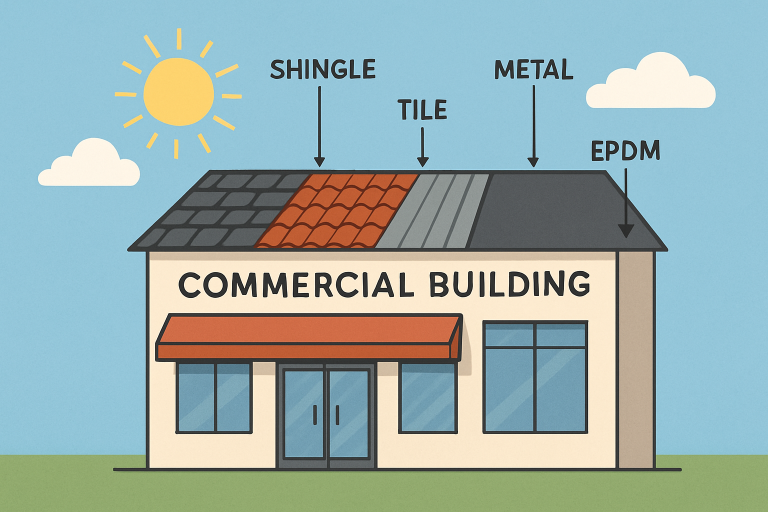
Choosing a long-lasting material is essential for safeguarding your building. Consulting with a commercial roofer helps identify the most suitable options, guaranteeing both durability and optimal performance. Modern commercial roofs offer a variety of reliable options:
1. TPO (Thermoplastic Polyolefin)
TPO membranes are popular for their reflective, white surface, which is effective at reducing heat absorption and energy consumption. Its welded seams offer strength, and its chemical resistance is a plus in industrial environments.
2. EPDM (Ethylene Propylene Diene Monomer)
EPDM, commonly called a rubber roof, offers distinct advantages in flexibility, UV resistance, and performance in colder climates. It is typically installed in large, seamless sheets for reliable waterproofing and simple repairs as needed.
3. Modified Bitumen
This system, made of asphalt and modified with materials for extra strength, thrives in high-traffic areas or roofs that require frequent access. Its layered construction and resistance to tears make it a favorite for longevity and reliability.
4. Metal Roofing
Metal roofing—often crafted from steel, aluminum, or copper—delivers unmatched strength and can last over 50 years with minimal maintenance. Its fire resistance and recyclable content also appeal to sustainability-conscious businesses.
Factors to Consider When Choosing a Roofing System
Your roofing decision should accommodate both functional needs and environmental realities. Consider the following areas as you weigh your options:
Climate
Weather extremes significantly impact roofing longevity. In sunny, warm regions, materials like TPO and reflective metal help mitigate heat gain and roof degradation. Where winters are cold or precipitation is frequent, EPDM or modified bitumen can deliver better performance thanks to their resistance to expansion and contraction, as well as to leaks.
Building Design and Use
How your building is designed—and how you use your roof—guides system compatibility. Flat roofs supporting HVAC units require greater strength, while sloped roofs may benefit from lighter materials. Commercial spaces with anticipated foot traffic, such as restaurants or event centers, should incorporate reinforced membranes or walk pads.
Lifespan Expectations
Standard commercial roofs last 20 to 50+ years, depending on the material and maintenance. While TPO and EPDM typically offer 20 to 30 years of service, metal roofing stands out for its longevity. Your roof’s anticipated lifespan should align with your business’s long-term plans and financial cycles.
Budget and Cost of Ownership
Look beyond initial expenses by considering total lifecycle costs—including energy savings, expected service intervals, and necessary maintenance. More expensive systems often repay owners over time through lower repair costs and improved efficiency.
Maintenance Practices for Durable Roofs
A committed approach to roof upkeep is non-negotiable for extending the service life of any system. Oversight from experienced professionals can help property owners avoid silent leaks—and major operational disruptions.
What to Monitor
- Seam and flashing integrity, particularly in regions prone to high winds or freeze-thaw cycles.
- Proper drainage, verified by clear gutters and no evidence of ponding.
- Physical damage around mechanical penetrations, high-traffic zones, and surface coatings.
Maintenance Schedule
Commercial roofing inspections are best conducted twice yearly (spring and fall), with additional checks after severe weather events. Regular assessments can identify developing issues early, minimizing long-term repair costs.
Preventative Tips
- Routinely clear debris and check for surface wear or damage following major storms.
- Document each inspection, maintenance action, and repair for future reference.
- Always use professional contractors to ensure compatibility and warranty compliance.
Energy Efficiency and Sustainability
Today’s commercial roofing isn’t just about protection; it’s about supporting long-term operating efficiency. Reflective TPO and metal roofing minimize solar heat gain, creating potential for dramatic reductions in air conditioning costs. Enhanced insulation further optimizes thermal performance, helping to manage utility expenses and achieve environmental benchmarks.
Staying informed about local codes and energy-efficiency requirements is also essential, as many regions increasingly mandate cool roofs or specify minimum insulation requirements. By combining thoughtful material choice with a proactive maintenance strategy, building owners can position their properties at the forefront of sustainability while supporting tenant comfort and lease value.
Conclusion
Selecting a durable commercial roofing system is a crucial investment that pays dividends in safety, cost savings, and property value. By taking time to understand your material options, adapt choices for your climate and building needs, and prioritize regular maintenance, your business can ensure many years of trouble-free protection and efficiency.



+ There are no comments
Add yours