


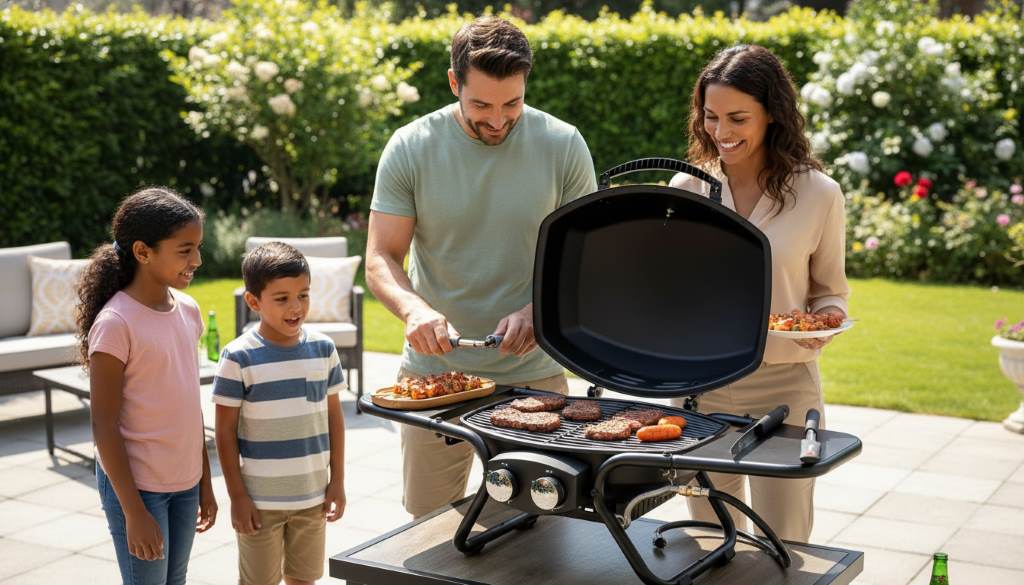
Nothing beats the sizzle of burgers and the aroma of grilled veggies on a summer evening. Propane gas grills deliver quick heat and easy control, making backyard cooking a joy for millions. However, safety always comes first. According to the National Fire Protection Association (NFPA), gas grills contributed to an average of 9,287 home fires per year from 2019 to 2023. Additionally, the U.S. Consumer Product Safety Commission reports over 21,000 emergency room visits annually due to grill-related injuries. You can avoid these risks with simple precautions. Ready to fire up safely? Check out propane BBQ grill models that prioritize reliability and ease of use. This guide walks you through every step for confident, worry-free grilling.
Why Propane Grills Win for Backyard Cooking
Propane grills heat up fast and offer precise temperature control. Many families choose them over charcoal for convenience. Modern outdoor propane grill designs also focus on safety features like automatic shut-offs and sturdy builds.
Moreover, fuel efficient grills save propane while delivering even heat. These models reduce waste and lower refill trips. Homeowners love the clean burn that produces less smoke than other options.
Yet convenience brings responsibility. Leaks or improper use spark most incidents. You prevent problems when you understand your equipment well.
Choosing the Right Outdoor Propane Grill
Start with quality. Look for grills certified by organizations like UL or CSA. These stamps confirm rigorous safety testing.
Consider size for your needs. A four-burner model suits larger gatherings, while two burners work for small families. Side burners add versatility for sauces or sides.
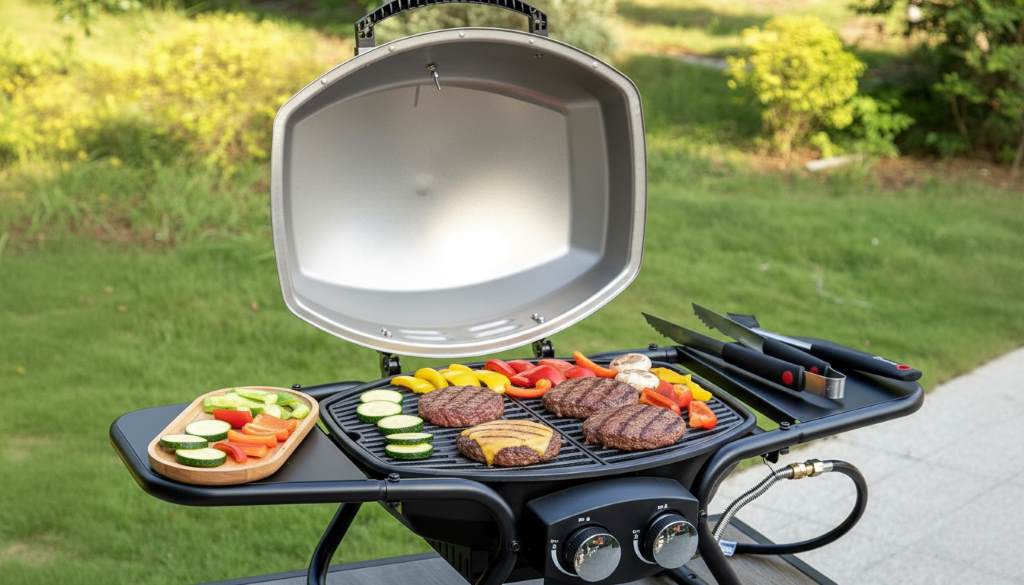
Next, check construction. Stainless steel resists rust and lasts longer. Cast aluminum bodies handle weather well too.
Finally, prioritize features like flame tamers and grease management systems. These direct drippings away from burners and cut flare-up risks.
Setting Up Your Grill in a Safe Location
Location matters most. Place your grill at least 10 feet from your house, deck rails, or overhangs. Flammable materials catch sparks easily.
Use a level, non-flammable surface. Concrete patios or gravel areas work best. Avoid wooden decks unless you add a protective mat.
Keep children and pets away during cooking. Set up a three-foot safety zone around the grill. Everyone stays clear this way.
Additionally, ensure good ventilation. Never grill in garages, porches, or tents. Carbon monoxide builds up in enclosed spaces.
Handling and Connecting the Propane Tank Safely
Propane tanks demand respect. Always transport them upright in a well-ventilated vehicle. Secure them to prevent tipping.
Inspect the tank before connection. Look for dents, rust, or damage. Expired tanks (usually 10-12 years) need replacement.
Connect carefully. Turn off all grill knobs first. Attach the regulator to the tank valve hand-tight. Avoid over-tightening.
Then perform a leak check every time. Mix dish soap and water. Brush it on connections. Turn on the tank valve. Bubbles mean a leak. Tighten or replace parts if needed.
Lighting Your Propane Grill the Right Way
Proper lighting prevents explosions. Follow these steps every time.
- Open the grill lid fully. This allows gas to escape safely.
- Turn on the propane tank valve slowly.
- Select one burner and set it to high.
- Press the igniter button immediately.
- Once lit, turn on additional burners as needed.
If the flame fails, turn everything off. Wait five minutes for gas to dissipate. Try again.
Many grills have built-in igniters. Keep matches or lighters as backup. Never lean over the grill while lighting.
Mastering Safe Cooking Techniques
Control heat zones. Light all burners for direct searing. Use half for indirect cooking of larger cuts.
Preheat properly. Give the grill 10-15 minutes to reach temperature. This burns off residue and ensures even cooking.
Use long-handled tools. Tongs and spatulas keep hands safe from flames. Avoid loose clothing that might catch fire.
Monitor food closely. Flare-ups happen from fat drippings. Move food to cooler zones if flames rise. Never spray water on grease fires.
Moreover, fuel efficient grills maintain steady temperatures. This reduces hot spots and accidental burns.
Managing Flare-Ups and Grease Fires
Flare-ups add flavor in small bursts. Large ones become dangerous quickly.
Close the lid briefly to starve the fire of oxygen. Turn off burners if needed. Move food away with tongs.
Keep a fire extinguisher nearby. Choose Class B or ABC rated for grease and gas fires. Baking soda also smothers small grease fires.
Never leave the grill unattended. Most fires start when cooks step away.
Cleaning Your Grill After Every Use
Clean grates while warm. Use a good grill brush to remove food particles. This prevents buildup that causes flare-ups.
Empty the grease tray regularly. Full trays overflow and ignite easily. Disposable foil liners simplify cleanup.
Deep clean monthly. Remove grates and flavorizer bars. Wash with mild soap and water. Check burners for clogs.
Proper cleaning extends grill life. It also eliminates hidden grease that fuels fires.
Related:
Great ways to inject some colour into your kitchen
What are the worst colours to paint your kitchen?
Seasonal Maintenance for Long-Term Safety
Inspect hoses annually. Look for cracks, brittleness, or insect nests. Replace damaged parts immediately.
Test the regulator. A faulty one causes weak flames or leaks. Professional service helps if unsure.
Store the grill properly in winter. Cover it after complete cooling. Disconnect and store the tank outdoors upright.
Fuel efficient grills often feature easier maintenance designs. Fewer parts mean fewer failure points.
Storing Propane Tanks Correctly
Never store tanks indoors. Heat causes pressure buildup and potential rupture.
Keep tanks upright outdoors. Choose shaded, well-ventilated spots away from ignition sources.
Disconnect tanks when not in use. Turn the valve fully off. Cap the connection for protection.
Professional refills ensure safety. They check for issues you might miss.
Common Mistakes New Grillers Make
Many beginners ignore leak checks. This simple step prevents most gas-related incidents.
Others store spare tanks under the grill. Heat expands gas and creates hazards.
Some light with the lid closed. Trapped gas ignites explosively when opened.
Additionally, people forget to turn off the tank after cooking. This wastes fuel and risks slow leaks.
Learn from others. Follow proven steps every session.
Troubleshooting Common Safety Issues
Weak flames often signal empty tanks or clogged burners. Clean ports with a wire or paperclip.
Yellow flames indicate incomplete combustion. Adjust air shutters or clean vents.
Persistent leaks require professional help. Never use damaged equipment.
Keep your manual handy. It contains model-specific guidance.
Advanced Tips for Fuel Efficient Grilling
Preheat only as needed. Short sessions save propane significantly.
Use grill thermometers. Accurate readings prevent overheating and waste.
Cook with the lid closed. This retains heat and cuts cooking time.
Batch cook when possible. Multiple items use the same preheat cycle.
Modern fuel efficient grills feature better insulation. They maintain temperature with less gas.
Emergency Procedures Every Griller Should Know
If you smell gas, act fast. Turn off the tank immediately. Extinguish open flames.
Evacuate and call emergency services from a safe distance. Do not operate switches.
For burns, cool with running water. Seek medical help for serious injuries.
Keep a first aid kit nearby. Include burn gel and bandages.
Preparation turns potential disasters into minor events.
Conclusion
Safe propane grilling combines preparation, attention, and respect for fuel. You eliminate most risks when you choose quality equipment, set up correctly, check connections, light properly, cook attentively, and maintain regularly. Backyard barbecues become joyful traditions rather than worries.
Start today. Review your setup, perform a leak check, and invite friends for a safe cookout. Delicious meals and great memories await when you grill responsibly.
How often should I check my propane grill for leaks?
Perform a soap test every time you connect or reconnect the tank. Do thorough inspections at the start of each season and monthly during heavy use.
Can I use my propane grill in light rain?
Light drizzle poses minimal risk if you stay attentive. However, heavy rain can extinguish flames and cause issues. Always dry the grill completely afterward to prevent rust.
What should I do if my grill has a grease fire?
Close the lid and turn off burners and gas supply. Never use water. Let it burn out safely or use baking soda or a fire extinguisher.
How far should my grill be from my house?
Maintain at least 10 feet from siding, eaves, and deck rails. Local codes may require more distance.
Is it safe to store my connected propane tank under the grill?
No. Disconnect and store tanks separately in a shaded, upright position outdoors.
References
- National Fire Protection Association Grilling Safety: https://www.nfpa.org/education-and-research/home-fire-safety/grilling
- NFPA 2025 Grilling Safety Tips Release: https://www.nfpa.org/about-nfpa/press-room/news-releases/2025/nfpa-provides-top-grilling-safety-tips-for-memorial-day-and-beyond
- U.S. Consumer Product Safety Commission Grill Safety Guidelines: https://www.cpsc.gov/s3fs-public/GasGrill_factsheet_2013.pdf
- Lakes Gas Propane Tank Safety Tips: https://www.lakesgas.com/propane-grill-tank-safety


+ There are no comments
Add yours