






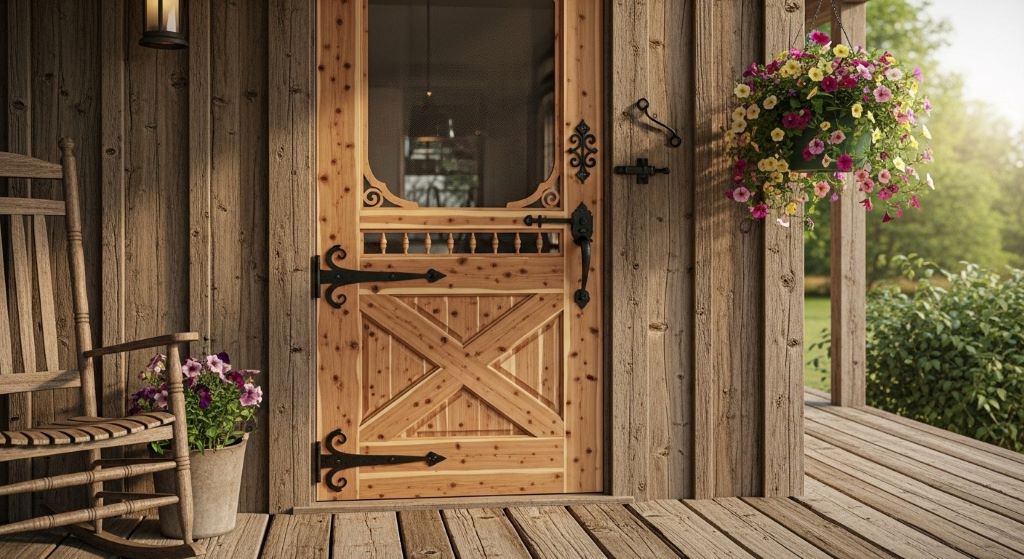
Wood screen doors perfectly complement rustic home design through natural materials and timeless appeal. These functional elements add character while maintaining authentic country aesthetics. Additionally, properly selected wood screens enhance curb appeal and increase home value.
Rustic design celebrates natural textures, weathered finishes, and handcrafted details. Therefore, wood screen doors serve as ideal transitional elements between indoor and outdoor spaces. Understanding how to integrate these features creates cohesive, welcoming home exteriors.
Understanding Rustic Design Principles
Rustic style emphasizes organic materials and earthy color palettes. Natural wood, stone, and metal elements dominate this aesthetic. The design philosophy values imperfections and aged appearances over polished perfection.
Authenticity remains central to rustic design success. Moreover, functional beauty takes precedence over purely decorative elements. Wood screen doors embody these principles through practical ventilation while showcasing natural wood grain patterns.
Traditional craftsmanship techniques enhance rustic appeal. Hand-planed surfaces, visible joinery, and forged hardware reinforce the handmade quality. Consequently, mass-produced items often appear out of place in genuinely rustic settings.
Selecting the Right Wood Species
Cedar naturally resists rot and insect damage, making it ideal for screen doors. The wood’s reddish-brown tones complement log homes and cabins perfectly. Additionally, cedar ages gracefully, developing attractive silver-gray patinas over time.
Pine offers affordability while accepting stains beautifully. This softer wood suits protected porches and covered entryways. However, pine requires more maintenance than naturally resistant species in exposed locations.
Oak provides exceptional durability and pronounced grain patterns. Quarter-sawn oak displays dramatic ray flecks characteristic of craftsman-style homes. Therefore, oak screen doors work particularly well in rustic farmhouse designs.
Reclaimed wood delivers unmatched authenticity and environmental benefits. Salvaged barn wood, old fencing, and vintage flooring create one-of-a-kind doors. These materials bring instant character and historical connection to new construction.
Choosing Appropriate Door Styles
Traditional panel designs featuring vertical or horizontal boards suit most rustic homes. Simple patterns avoid ornate details that conflict with casual country aesthetics. Wide boards showcase natural grain variations more effectively than narrow slats.
Batten doors display horizontal boards held together by vertical or diagonal battens. This farmhouse style dates back centuries and remains authentically rustic. Z-brace configurations add visual interest while providing structural integrity.
Crossbuck patterns create X-shaped designs within door frames. These configurations balance solid wood with screen sections effectively. Moreover, crossbuck styles complement both cabin and cottage architectural themes.
Full-view screen doors maximize airflow and visibility. Simple frames surrounding large screen areas suit modern rustic interpretations. However, these minimalist designs require quality materials to avoid cheap appearances.
Matching Hardware and Finishes
Wrought iron hardware enhances rustic authenticity through blacksmith-crafted appearance. Heavy strap hinges, thumb latches, and decorative clavos reinforce period-appropriate aesthetics. Additionally, hand-forged pieces introduce artisanal quality to standard doors.
Oil-rubbed bronze provides warmth that complements natural wood tones. This finish ages gracefully, developing deeper patinas over time. Therefore, bronze hardware suits rustic designs better than shiny chrome or brass options.
Antique finishes on modern hardware replicate vintage appearances affordably. Distressed metals coordinate with weathered wood surfaces naturally. However, quality matters since poorly finished hardware deteriorates quickly in exterior applications.
Wooden knobs and pulls maintain material consistency throughout door assemblies. Turned handles from matching wood species create seamless integration. Moreover, wooden hardware reinforces handcrafted qualities essential to rustic design.
Coordinating Colors and Stains
Natural wood finishes allow grain patterns and color variations to shine through. Clear sealers protect wood while maintaining organic appearances. This approach works best when wood species already complement existing exterior colors.
Medium brown stains warm up lighter woods without obscuring grain details. These earthy tones coordinate with stone foundations and wood siding effortlessly. Additionally, brown stains hide minor imperfections while maintaining natural character.
Gray weathered finishes replicate aged barn wood appearances. These popular tones suit coastal rustic and modern farmhouse styles. However, achieving authentic-looking gray requires quality products and proper application techniques.
According to Better Homes & Gardens, earthy exterior door colors increase home appeal and create strong first impressions for visitors.
Dark stains provide dramatic contrast against light-colored siding. Deep walnut or ebony tones add sophistication to rustic designs. Therefore, darker finishes work particularly well on larger doors and grand entryways.
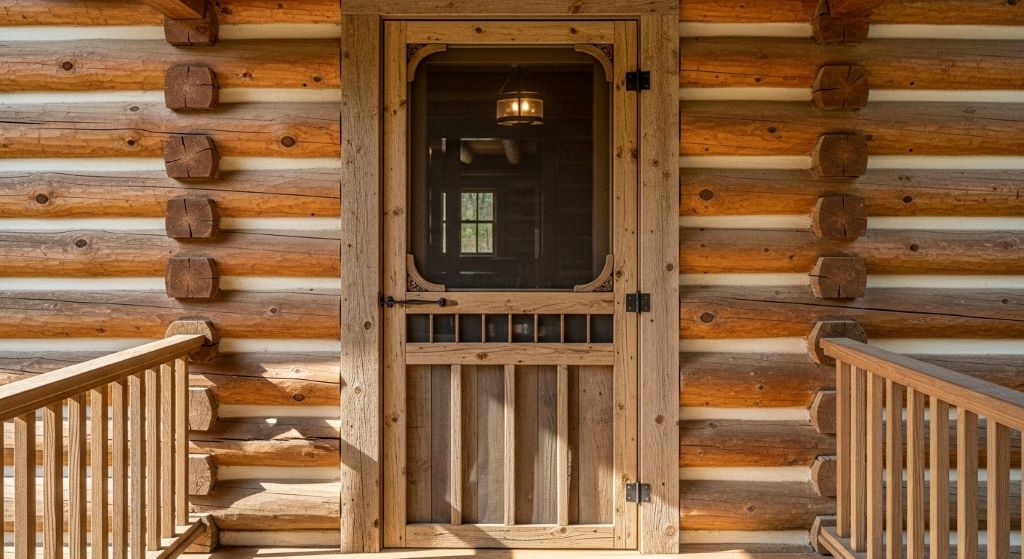
Integrating Screens Seamlessly
Traditional aluminum screening in charcoal gray blends better than bright silver. Darker screens reduce visual prominence, highlighting wood frames instead. This subtle approach maintains focus on natural materials.
Bronze or copper screening adds warmth complementing wood tones. These specialty screens develop attractive patinas matching rustic aesthetics. Additionally, metal screens prove more durable than standard fiberglass options.
Wooden screen frames maintain material consistency throughout door construction. Narrow wood muntins dividing screen sections reinforce traditional craftsmanship. However, wood screens require more maintenance than metal alternatives.
Removable screen panels provide seasonal flexibility for homes with storm doors. This practical feature allows solid panel installation during winter months. Moreover, interchangeable components extend door longevity through reduced year-round weathering.
Balancing Function and Aesthetics
Proper ventilation remains the primary screen door function. Adequate screen surface area ensures effective airflow during warm months. Therefore, design choices should never compromise this essential practical purpose.
Security features integrate subtly into rustic designs through concealed locks and reinforced frames. Modern technology hides within traditional appearances effectively. Consequently, homeowners enjoy contemporary security without sacrificing authentic aesthetics.
Durability considerations influence material selection and construction methods. Quality joinery, weather-resistant finishes, and substantial hardware ensure long-term performance. Additionally, well-built doors require less frequent replacement, supporting sustainable practices.
Energy efficiency improves through proper door installation and weather-stripping. Tight seals reduce air infiltration while maintaining easy operation. Therefore, functional screen doors contribute to comfortable, efficient homes year-round.
Considering Architectural Context
Cabin-style homes require robust, substantial screen doors reflecting frontier heritage. Heavy timber frames and oversized hardware suit these architectural contexts. Simple designs avoid conflicting with prominent log construction.
Farmhouse exteriors benefit from traditional panel configurations and painted finishes. White or sage green doors complement board-and-batten siding beautifully. Moreover, symmetrical placement enhances classic farmhouse proportions.
Craftsman bungalows demand period-appropriate details including exposed joinery and tapered posts. Quarter-sawn oak with natural finishes respects arts and crafts principles. Additionally, handcrafted qualities align with craftsman philosophy perfectly.
Mountain lodges accommodate grander scale doors with impressive dimensions. Oversized screens featuring wildlife motifs or nature-inspired details reinforce location. However, maintaining proportional balance prevents overwhelming smaller architectural elements.
Maintaining Wood Screen Doors
Regular cleaning prevents dirt buildup that traps moisture against wood surfaces. Mild soap and water applied with soft brushes protect finishes effectively. Additionally, annual cleaning schedules prevent deterioration from accumulated grime.
Finish reapplication every two to three years maintains weather protection. Sanding lightly before applying fresh coats ensures proper adhesion. Therefore, establishing maintenance routines extends door lifespan significantly.
Hardware inspection identifies loose screws and worn components before failures occur. Tightening hinges and lubricating moving parts prevents operational problems. Moreover, addressing minor issues promptly avoids expensive repairs later.
Screen replacement becomes necessary when tears or holes compromise functionality. Learning basic screen installation saves money on professional services. However, specialty screens may require expert installation for best results.
According to This Old House, proper maintenance and timely repairs can extend screen door life by decades, making them worthwhile investments.
Custom Versus Pre-Made Options
Custom-built doors accommodate non-standard openings and unique design visions. Local craftsmen create pieces perfectly suited to specific homes. Additionally, custom work supports small businesses and traditional trades.
Pre-made doors offer cost savings and immediate availability. Standard sizes fit most residential openings without modifications. However, limited style options may not satisfy distinctive rustic design requirements.
Semi-custom programs combine affordability with personalization options. Manufacturers offer various wood species, finishes, and hardware configurations. Therefore, homeowners achieve customized appearances at moderate price points.
DIY construction appeals to skilled woodworkers seeking ultimate personalization. Building screen doors requires moderate carpentry skills and basic tools. Moreover, handcrafted doors add personal accomplishment satisfaction to functional benefits.
Enhancing Curb Appeal
Well-designed screen doors create memorable first impressions for visitors and potential buyers. These features signal attention to detail throughout properties. Consequently, quality exterior elements increase perceived home values.
Seasonal decorations integrate easily with wood screen doors through wreaths and garlands. Natural materials complement rustic aesthetics during holidays. Additionally, simple embellishments avoid overwhelming architectural features.
Landscaping coordination strengthens overall design cohesion. Native plantings and natural stone paths reinforce rustic themes. Therefore, comprehensive approaches create harmonious exterior environments.
Lighting placement highlights architectural details including attractive screen doors. Warm-toned fixtures complement wood finishes effectively. Moreover, proper illumination improves safety while enhancing evening curb appeal.
Modern Interpretations of Rustic Style
Contemporary rustic designs simplify traditional elements while maintaining natural materials. Clean lines and minimal ornamentation create fresh interpretations. However, authentic materials remain essential to successful modern rustic aesthetics.
Industrial accents including metal strapping and exposed fasteners add edge to conventional rustic doors. These details bridge traditional and contemporary design languages. Additionally, mixed-material approaches expand creative possibilities.
Minimalist hardware selections reduce visual clutter on modern rustic doors. Simple pulls and concealed hinges maintain clean appearances. Therefore, restrained approaches suit streamlined architectural contexts better than ornate options.
Sustainable practices align with both rustic values and contemporary environmental awareness. Reclaimed materials, low-VOC finishes, and local sourcing demonstrate responsible design. Moreover, eco-conscious choices appeal to environmentally minded homeowners.
Conclusion
Wood screen doors blend seamlessly with rustic home design through careful material selection, appropriate styling, and thoughtful details. Natural wood species, traditional construction methods, and coordinated finishes create authentic country aesthetics. Additionally, proper maintenance ensures these functional elements provide lasting beauty and performance. Whether choosing custom craftsmanship or quality pre-made options, homeowners can achieve cohesive rustic exteriors that welcome guests while celebrating natural materials. Therefore, investing in well-designed wood screen doors enhances both immediate curb appeal and long-term home value.
Frequently Asked Questions
What type of wood is best for rustic screen doors?
Cedar is the best choice for rustic screen doors because it naturally resists rot and insects while developing attractive gray patinas. Oak and reclaimed barn wood also work excellently, offering durability and authentic character that complements country aesthetics.
Should I stain or paint my rustic wood screen door?
Natural finishes or medium brown stains work best for rustic screen doors, allowing wood grain to show through. However, weathered gray finishes or traditional farmhouse colors like white also suit rustic styles depending on your home’s specific aesthetic.
How do I maintain a wood screen door in a rustic home?
Clean your wood screen door annually with mild soap and water, reapply protective finish every two to three years, and inspect hardware regularly. Additionally, replace damaged screens promptly and tighten loose screws to prevent bigger problems.
Can modern rustic homes have wood screen doors?
Yes, wood screen doors suit modern rustic homes through simplified designs with clean lines and minimal hardware. Natural wood finishes, larger screen sections, and contemporary proportions create fresh interpretations while maintaining authentic material connections.
How much does a custom rustic wood screen door cost?
Custom rustic wood screen doors typically cost between $800 and $2,500 depending on size, wood species, and complexity. Pre-made quality options range from $300 to $800, while DIY projects cost $150 to $400 in materials.
Related Topics:
How to Choose Durable Commercial Roofing Systems






+ There are no comments
Add yours